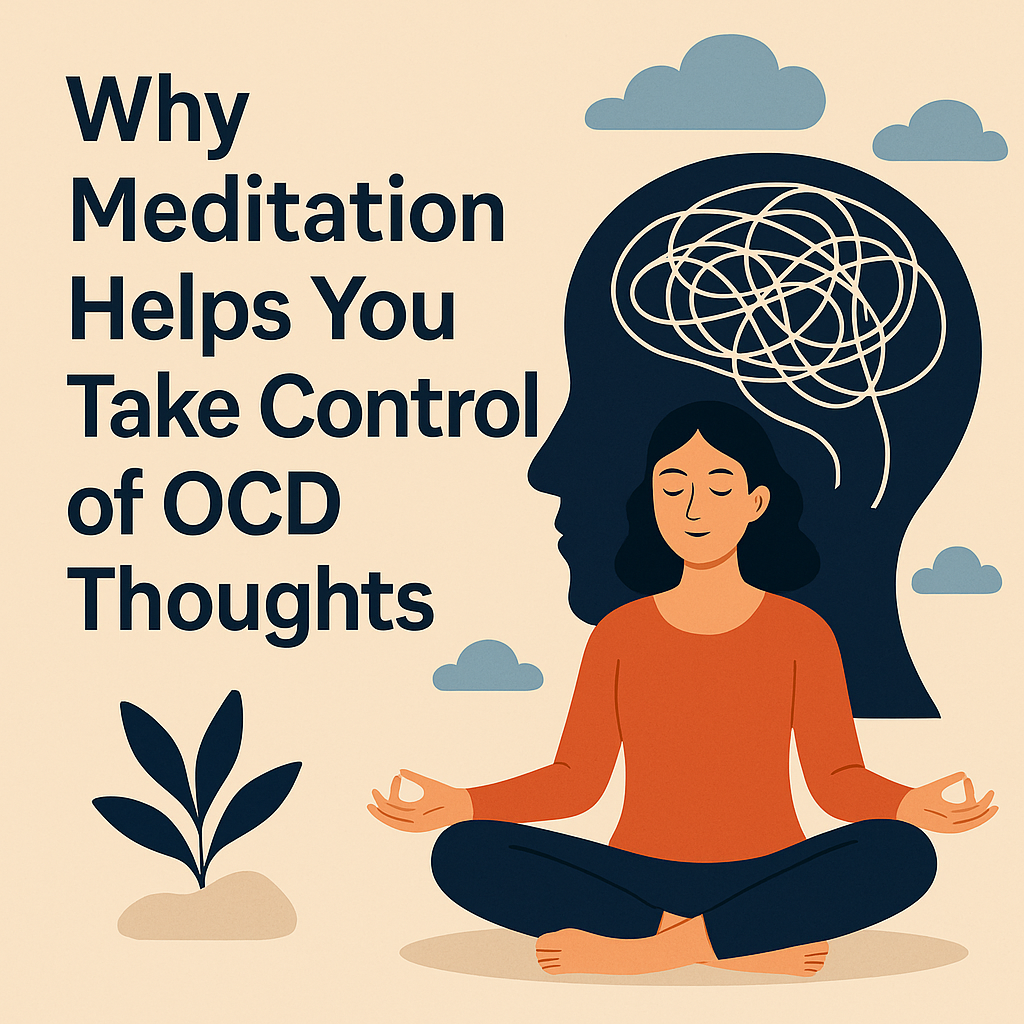
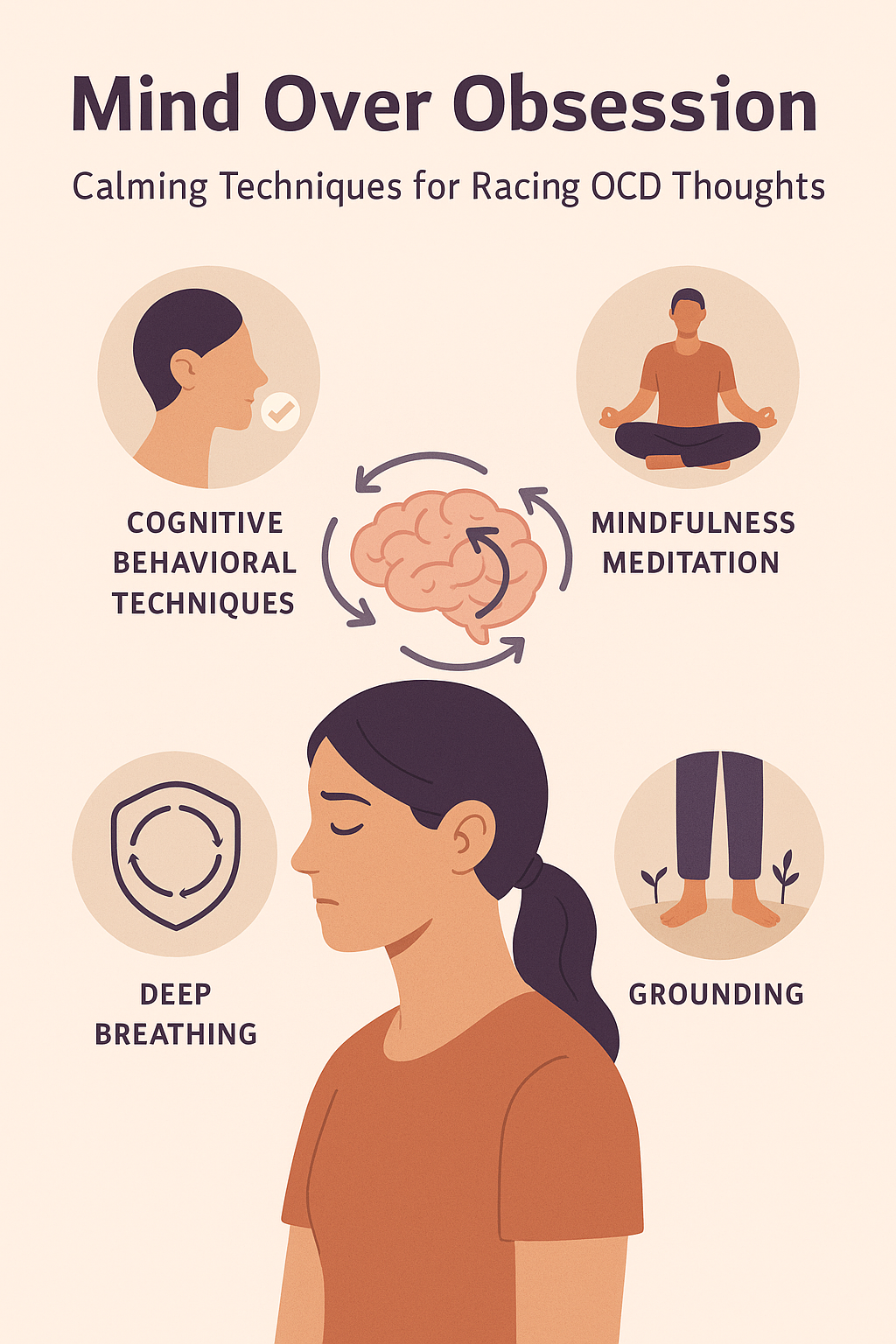
How To Create A Morning Routine That Keeps OCD Thoughts Away (Proven & Calming Strategies)
Introduction: Why Morning Routines Matter for OCD Recovery
How To Create A Morning Routine That Keeps OCD Thoughts Away
Mornings can set the emotional tone for your entire day — especially when you live with Obsessive-Compulsive Disorder (OCD). For many people, intrusive thoughts or compulsions are most intense after waking, when the brain transitions from rest to alertness. That’s why knowing how to create a morning routine that keeps OCD thoughts away isn’t just about productivity — it’s about peace.
A structured, compassionate morning routine helps regulate your nervous system, reduce cortisol levels, and create predictability — something the OCD brain thrives on. Let’s explore how you can build one that genuinely supports your mental wellness.
Understanding OCD and Morning Anxiety
What Causes Morning OCD Thoughts?
Morning anxiety often appears because cortisol — the stress hormone — peaks in the early hours. For someone with OCD, this can trigger intrusive thoughts or compulsions as a way to “control” uncertainty. The key is not to eliminate thoughts (which isn’t possible) but to change how you respond to them.
The Link Between Sleep Quality and Morning Compulsions
Poor or fragmented sleep increases the likelihood of obsessive thoughts upon waking. Prioritizing consistent sleep hygiene — same bedtime, limited screen use, and calming pre-bed routines — helps your brain enter morning calm instead of chaos.
The Science Behind Morning Routines and Mental Health
How Routine Regulates Cortisol and Reduces Anxiety
According to a 2023 study by the National Institute of Mental Health, structured routines lower baseline cortisol and reduce anxiety symptoms. Predictability provides comfort to the OCD brain, reducing the need for compulsions.
Neuroplasticity and Building Calming Habits
Repeatedly performing calming activities — like mindful breathing or journaling — rewires neural pathways. Over time, your brain associates mornings with peace rather than panic. That’s the power of neuroplasticity at work.
Step-by-Step Guide: How To Create a Morning Routine That Keeps OCD Thoughts Away
How To Create A Morning Routine That Keeps OCD Thoughts Away
Step 1: Start the Night Before — Sleep Hygiene for Calm Mornings
A good morning starts with the night before. Avoid caffeine late in the day, keep your bedroom dark and cool, and practice gratitude journaling before sleep. This reduces rumination and prepares your mind for restful sleep.
Step 2: Grounding Yourself Right After Waking Up
Before checking your phone, take three deep breaths. Notice your surroundings — the texture of your blanket, the sound of birds, the morning light. This simple mindfulness moment interrupts intrusive thought loops before they spiral.
Try a short 5–10 minute mindfulness meditation using apps like Headspace or Calm. Pair it with journaling — write one positive affirmation and one achievable goal for the day. It retrains your mind to focus on action, not obsession.
Step 4: Nourishing Your Mind and Body With a Balanced Breakfast
Nutrition affects mood regulation. Include foods rich in omega-3s, B-vitamins, and protein — they support serotonin and dopamine balance, crucial for managing OCD symptoms.
Step 5: Setting Daily Intentions to Reframe OCD Thoughts
When intrusive thoughts arise, reframe them:
“This is just a thought — not a command.” Intentional self-talk empowers you to separate your identity from OCD’s noise.
Cognitive and Behavioral Tools for Morning OCD Management
Exposure and Response Prevention (ERP) in the Morning
ERP, a gold-standard OCD therapy, can be integrated into your mornings. For instance, if your compulsion is to recheck your alarm, practice intentionally not checking it once. Over time, this rewires your brain’s anxiety response.
Self-Compassion Techniques and Affirmations
Remind yourself: “I’m doing my best, and that’s enough today.” Self-kindness breaks the shame cycle that fuels compulsive behavior.
Morning Routine Examples for Different OCD Types
OCD Type
Morning Practice Example
Contamination OCD
Mindful hand-washing with focus on sensations, not rituals.
Intrusive Thought OCD
Meditation with labeling: “thinking,” “breathing.”
Checking OCD
Intentionally leaving a minor task unchecked and journaling the discomfort.
How to Stay Consistent With Your Routine (Even on Bad Days)
Consistency doesn’t mean perfection. If you miss a step, restart with compassion, not guilt. Accountability tools like Habitica, Notion, or CBT-based planners help reinforce daily progress without pressure.
Common Mistakes People Make When Creating OCD Morning Routines
Over-scheduling every minute — OCD thrives on control, so leave room for flexibility.
Ignoring rest or emotional fatigue — rest is productive too.
Comparing routines — everyone’s OCD experience is unique.
Recommended Tools, Apps, and Resources
Mindfulness Apps:Calm, Headspace, Insight Timer
CBT Tools:NOCD, MindShift CBT, Wysa
Planners:The Anti-Anxiety Notebook (Explore more at nami.org)
Expert Insights: What Therapists Recommend
CBT and ERP therapists emphasize that consistency over complexity matters most. A five-minute mindful practice daily outperforms an hour-long routine done inconsistently. If OCD interferes with daily function, seek a licensed therapist for structured ERP.
FAQs About OCD and Morning Routines
1. Can a morning routine cure OCD? No, but it can dramatically reduce symptom severity and improve mental resilience.
2. How long does it take to notice results? Usually 2–4 weeks of consistency yields noticeable calm and focus.
3. What’s the best time to wake up for OCD management? Consistency matters more than time — aim for the same waking hour daily.
4. Should I include exercise in my morning routine? Yes. Even 10 minutes of movement releases endorphins and reduces anxiety triggers.
5. Can journaling trigger rumination? It can, if unstructured. Use guided prompts to stay focused on gratitude and progress.
6. What if my OCD flares despite a routine? It’s normal — progress isn’t linear. Stay consistent, and consider therapy support.
Conclusion: Building a Peaceful Morning, One Habit at a Time
Learning how to create a morning routine that keeps OCD thoughts away is an act of self-care and strength. By prioritizing structure, mindfulness, and compassion, you retrain your brain to meet each day with clarity — not fear.
Every calm morning you build is one step closer to freedom from OCD’s hold.
🧠 Breaking The Cycle: How To Respond to OCD Thoughts Without Panic – Proven Steps to Regain Calm
Introduction: Understanding the Cycle of OCD Thoughts
Breaking The Cycle Of OCD Thoughts
Breaking The Cycle Of OCD Thoughts: Obsessive-Compulsive Disorder (OCD) can feel like being trapped in a loop you can’t escape. A distressing thought appears, anxiety spikes, and you find yourself doing anything possible to make that discomfort go away. But the harder you try to suppress or neutralize the thought, the stronger it returns.
Breaking this cycle isn’t about stopping thoughts — it’s about changing your relationship with them. By understanding how OCD works and learning to respond differently, you can quiet the panic, reduce compulsions, and regain control over your mind.
What OCD Really Is – And What It Isn’t
OCD isn’t just about excessive cleaning or organizing — that’s a common misconception. It’s a mental health condition defined by intrusive thoughts (obsessions) and repetitive behaviors (compulsions) meant to reduce anxiety.
However, these rituals offer only temporary relief, reinforcing the cycle and making the intrusive thoughts return even stronger. OCD is not a sign of weakness or poor willpower — it’s a neurological pattern that can be managed with understanding and the right tools.
The Loop: Intrusive Thoughts and Compulsive Reactions
The OCD cycle has three key stages:
Trigger or intrusive thought – A disturbing “what if” appears (“What if I hurt someone?”).
Anxiety and distress – Your brain perceives the thought as a real threat.
Compulsion or avoidance – You perform a ritual or mental act to relieve anxiety.
This reinforces the false alarm, teaching your brain that the thought was dangerous. Over time, this creates a habit loop that strengthens with every repetition.
Recognizing OCD Thoughts Before They Take Over
OCD thoughts often seem shocking or unlike you. You might fear what they mean — but they’re actually a sign of your brain misfiring, not your intentions.
The Science Behind Intrusive Thoughts
Intrusive thoughts are normal — everyone has them. The difference with OCD is that your brain attaches excessive meaning to them, misinterpreting them as dangerous.
Common Themes and Triggers in OCD
Typical OCD themes include contamination, harm, morality, religion, and symmetry. Each theme activates anxiety, pushing you toward compulsions for relief.
Differentiating OCD Thoughts from Everyday Worry
Unlike typical worries, OCD thoughts feel urgent, unwanted, and repetitive, creating a strong urge to neutralize them. Recognizing this distinction helps you respond with clarity instead of panic.
The Panic Trap: Why Fear Fuels the OCD Cycle
When panic kicks in, your brain’s fight-or-flight system activates. This rush of adrenaline tells your body something’s wrong — even when it’s not. The more you panic, the more you teach your brain that OCD thoughts are real threats.
How Panic Reinforces Obsessive Thinking
Each panic response strengthens the neural connection between intrusive thoughts and anxiety. Over time, this makes OCD patterns automatic.
The Role of Adrenaline and the Brain’s Alarm System
The amygdala, your brain’s “alarm center,” misfires during OCD episodes. Learning to stay calm helps retrain your brain to interpret these alarms correctly.
Breaking the Cycle: How to Respond to OCD Thoughts Without Panic
Breaking The Cycle Of OCD Thoughts
This is the heart of your recovery journey. The goal isn’t to eliminate intrusive thoughts — it’s to change how you respond.
Step 1: Pause and Recognize the Thought
The first step is awareness. When an intrusive thought appears, don’t react immediately. Simply acknowledge it — “This is an OCD thought.”
Step 2: Label the Thought as “OCD Talking”
Labeling separates you from the thought. It reminds you the content of the thought isn’t important — it’s the OCD pattern trying to get your attention.
Step 3: Refocus Your Attention Mindfully
Shift your focus gently to the present. Use mindfulness, grounding, or a sensory activity like deep breathing or noticing five things around you.
Step 4: Avoid Reassurance-Seeking and Mental Checking
Resist the urge to seek reassurance or analyze your thoughts. These behaviors reinforce the OCD cycle. Let the discomfort pass naturally — it always does.
Step 5: Practice Self-Compassion and Acceptance
You’re not your thoughts. Responding calmly to intrusive thoughts is an act of courage, not passivity. Treat yourself with kindness as you practice new responses.
Tools and Strategies to Manage OCD Thoughts Effectively
Cognitive Behavioral Therapy (CBT) and Exposure Response Prevention (ERP)
ERP, a form of CBT, helps you face your fears gradually without performing compulsions. Over time, anxiety lessens, teaching your brain that it’s safe.
The Power of Mindfulness and Grounding Techniques
Mindfulness teaches nonjudgmental awareness. By observing thoughts instead of fighting them, you weaken their emotional charge.
Journaling and Thought Defusion Exercises
Writing down intrusive thoughts without reacting to them helps distance yourself from their content. “Defusion” techniques — like repeating a thought until it loses meaning — also work well.
Building Resilience: Long-Term Coping Techniques for OCD
Consistency is key. Combine therapy with healthy daily habits to strengthen your mental resilience.
How Routine and Healthy Habits Support Mental Stability
Structure reduces uncertainty, which often fuels OCD anxiety. Set clear routines for rest, work, and relaxation.
The Importance of Sleep, Exercise, and Nutrition
Good physical health supports emotional balance. Regular exercise, adequate sleep, and balanced nutrition improve mood and reduce anxiety.
Support Networks and Professional Guidance
Connecting with others who understand OCD can be life-changing. Therapists, peer groups, and online communities (like the International OCD Foundation) offer guidance and empathy.
Real-Life Examples: Learning from People Who Broke the Cycle
Hearing how others have learned to manage OCD thoughts without panic can be deeply encouraging. These examples show that recovery is not only possible — it’s sustainable with patience and consistency.
Personal Stories of Overcoming OCD Panic
Case 1: Sarah’s Story – From Fear to Freedom Sarah, a 29-year-old teacher, struggled with harm-related OCD thoughts that terrified her. Every time an intrusive image popped into her mind, she’d panic and check repeatedly to ensure she hadn’t done anything wrong. With the help of ERP therapy and mindfulness, she learned to sit with discomfort instead of reacting to it. Over time, her brain began to understand that thoughts don’t equal actions. “I learned that peace doesn’t come from control,” she said, “but from letting go.”
Case 2: Jason’s Journey – Living with Uncertainty Jason battled contamination OCD for years, washing his hands until they bled. His turning point came when he began exposure exercises — touching doorknobs and resisting the urge to wash. He describes it as terrifying at first, but empowering later. “The fear faded once I realized it was my mind tricking me,” Jason explains. “Now, I can touch almost anything without panicking.”
What They Did Differently to Regain Control
They stopped trying to silence their thoughts.
They accepted discomfort as temporary, not dangerous.
They practiced consistent exposure and mindfulness.
They built support networks and stayed committed to therapy.
The takeaway? It’s not about never having intrusive thoughts — it’s about responding differently when they appear.
When to Seek Professional Help
While self-help tools and mindfulness can make a big difference, professional support is sometimes essential.
Signs That OCD Is Interfering with Daily Functioning
You should consider professional help if you notice:
You spend more than an hour a day on obsessions or compulsions.
Intrusive thoughts cause severe anxiety, shame, or guilt.
You avoid people or activities you once enjoyed.
You feel trapped in a cycle you can’t break alone.
How to Find a Qualified Therapist or Support Group
Look for therapists trained in Cognitive Behavioral Therapy (CBT) and Exposure and Response Prevention (ERP) — the gold standard for OCD treatment.
You can start by visiting reputable resources like:
Both organizations have searchable directories of OCD specialists and support groups worldwide.
Frequently Asked Questions (FAQs)
1. Can I ever completely stop having OCD thoughts?
Probably not — intrusive thoughts are a part of being human. The goal isn’t to stop them but to change your response. With practice, these thoughts lose power and frequency.
2. Is it possible to manage OCD without medication?
Yes, many people do. ERP therapy, CBT, and mindfulness techniques are often highly effective on their own. However, in severe cases, medication can support therapy and improve outcomes.
3. What should I do during a sudden OCD thought or panic episode?
Pause. Label the thought as OCD. Breathe deeply, focus on the present, and remind yourself: “This is a thought, not a fact.” Avoid reacting or seeking reassurance.
4. How long does it take to break the OCD cycle?
It varies. With consistent therapy and practice, many people notice improvement in a few months. The key is consistency, patience, and self-compassion.
5. Are intrusive thoughts a sign that I’m a bad person?
Absolutely not. Intrusive thoughts say nothing about your character — they’re a sign of anxiety, not morality. Everyone experiences strange or disturbing thoughts occasionally.
6. Can lifestyle changes really help OCD?
Definitely. Exercise, meditation, balanced nutrition, and sleep all strengthen your mental resilience. A healthy body supports a healthy mind.
Conclusion: Embracing Calm and Control Beyond OCD
Breaking the cycle of OCD thoughts without panic is a journey of awareness, courage, and self-kindness. You don’t have to fight your thoughts — you only need to change how you relate to them.
Each time you pause instead of panic, accept instead of analyze, and respond mindfully instead of react impulsively, you teach your brain a new truth: you are safe, capable, and in control.
The path may not be quick, but it’s absolutely possible. And with every small step, you reclaim the peace of mind that OCD once stole — one calm breath at a time.
Recovering from OCD doesn’t mean silencing your mind — it means transforming fear into understanding. You have the tools, strength, and knowledge to respond without panic and reclaim your peace.
🧠 The 5-Minute Reset: What To Do When OCD Thoughts Spiral
The 5-Minute Reset: When OCD thoughts start to spiral, your mind can feel like it’s in a mental tornado—trapped, overanalyzing, and panicked. The more you try to escape the thoughts, the faster they spin.
The 5-Minute Reset: What To Do When OCD Thoughts Spiral
That’s where the 5-Minute Reset comes in. It’s a short, structured approach designed to ground your body, calm your nervous system, and reset obsessive thought loops—fast.
This method isn’t about perfection. It’s about progress—helping you interrupt the OCD spiral before it takes over your entire day.
Understanding OCD Thought Spirals
What Is an OCD Thought Spiral?
An OCD thought spiral happens when one intrusive thought triggers a chain reaction of fear, doubt, and mental checking. Example:
“Did I say something offensive?” → “What if they hate me now?” → “What if I ruin my reputation?”
This mental “domino effect” creates exhaustion, guilt, and anxiety.
Why OCD Thoughts Feel So Powerful
Your brain’s threat response system can’t tell the difference between a real danger and a distressing thought. That’s why intrusive thoughts feel real—they trigger adrenaline and fight-or-flight sensations.
Common Mental Traps That Keep You Stuck
Reassurance seeking: Googling, confessing, or replaying thoughts.
Thought suppression: Trying to “not think about it.”
Mental checking: Reviewing conversations or events repeatedly.
Each of these actions strengthens the OCD cycle.
Introducing the 5-Minute Reset Method
Why a 5-Minute Reset Works for OCD Anxiety
A short, focused reset taps into your brain’s parasympathetic nervous system—the part that restores calm. Instead of analyzing your thoughts, you change your body’s state, which naturally slows obsessive thinking.
The Science Behind Fast Mental Resets
Neuroscience shows that deep breathing, grounding, and cognitive defusion techniques can reduce anxiety within minutes. You’re not fighting OCD—you’re retraining your nervous system to stop reacting to it.
Step-by-Step: The 5-Minute Reset Routine
Step 1: Recognize and Label the Spiral
Awareness is step one. Say to yourself:
“This is an OCD spiral, not reality.”
Labeling the experience creates distance between you and the thought.
Step 2: Ground Yourself in the Present Moment
Use the 5-4-3-2-1 grounding technique:
5 things you see
4 things you can touch
3 things you hear
2 things you smell
1 thing you taste
This instantly reconnects your senses with the present.
Step 3: Breathe Intentionally to Regain Control
Try the 4-7-8 method:
Inhale for 4 seconds
Hold for 7
Exhale for 8
This technique lowers heart rate and signals safety to your brain.
Step 4: Shift Attention Using the “Anchor Thought” Technique
Choose a calming, neutral focus thought like:
“I’m safe in this moment.” “This thought doesn’t define me.”
Repeat it slowly while you breathe.
Step 5: Reassure Yourself Without Reassurance-Seeking
Say to yourself with compassion:
“My brain is misfiring, not misbehaving.”
This reaffirms your strength without feeding the OCD cycle.
Cognitive and Emotional Tools to Maintain Calm
The “Not My Thought” Perspective Shift
You are the observer, not the thinker. By viewing intrusive thoughts as background noise, they naturally lose power.
“It’s okay to feel anxious.” “I’m learning to let go.”
Self-compassion activates emotional regulation and healing.
Journaling and Visualization as Reset Reinforcements
After your 5-minute reset, jot down how you felt before and after. Visualize your thoughts as clouds passing in the sky—temporary, not permanent.
Long-Term Practices to Prevent Future Spirals
The Role of ERP and Mindfulness Training
Exposure and Response Prevention (ERP) teaches your brain that anxiety fades on its own when you stop engaging with compulsions. Combine this with mindfulness to build long-term emotional resilience.
Building a Morning Calm Routine
Start your day with:
5 minutes of deep breathing
Gratitude journaling
Gentle stretching or prayer
Small, consistent habits create a calmer baseline.
When to Seek Extra Help
If thought spirals lead to panic, depression, or avoidance, seek a therapist specializing in OCD. Treatment works best when supported by professional guidance.
❓ FAQs: Handling OCD Thought Spirals with the 5-Minute Reset
1. Can the 5-Minute Reset stop intrusive thoughts permanently? No, but it helps you manage them quickly and effectively before they escalate.
2. Should I distract myself during OCD spirals? Gentle redirection (not avoidance) is healthy—focus on grounding and breathing.
3. How often should I do the reset? Anytime thoughts start spiraling—practice makes it easier over time.
4. Can medication support the reset process? Yes. SSRIs or other anxiety medications can stabilize mood, making the reset more effective.
5. What if the reset doesn’t work right away? That’s normal. The goal is consistency, not perfection. Your brain rewires gradually.
6. Is it okay to seek reassurance from loved ones? Occasionally yes—but over time, learning self-reassurance builds independence.
💬 Final Thoughts: Regaining Control One Moment at a Time
When OCD thoughts spiral, your power lies in the pause. Five minutes can change everything.
The 5-Minute Reset helps you stop reacting and start observing—shifting from fear to focus. Remember: peace isn’t found in controlling your thoughts; it’s found in accepting them calmly.
You are not your OCD. You are the space that holds peace beyond it.
🧠 How To Calm OCD Anxiety When Intrusive Thoughts Hit Hard
How To Calm OCD Anxiety When Intrusive Thoughts Hit Hard
How To Calm OCD Anxiety When Intrusive Thoughts Hit Hard. OCD anxiety can feel paralyzing, especially when intrusive thoughts hit hard and fast. These thoughts often appear out of nowhere—disturbing, unwanted, and relentless. The good news? You can regain control and calm your mind with science-backed strategies that retrain how your brain responds to these mental intrusions.
Whether you’re struggling with harm OCD, religious OCD, relationship OCD, or contamination fears, this guide offers real-world techniques to help you find calm, clarity, and hope again.
Understanding OCD Anxiety and Intrusive Thoughts
What Is OCD Anxiety?
Obsessive-Compulsive Disorder (OCD) is more than just repetitive habits—it’s a cycle of intrusive thoughts (obsessions) and the mental or physical actions you take to neutralize them (compulsions). OCD anxiety emerges when the brain falsely signals danger, triggering fear responses even when nothing’s wrong.
For example, a fleeting thought like “What if I hurt someone?” can spiral into panic, guilt, and endless reassurance-seeking.
Why Intrusive Thoughts Feel So Real
Intrusive thoughts trigger the same emotional centers in your brain as actual threats. That’s why your body reacts with anxiety—even though the thought isn’t real. Recognizing that a thought is not a fact is the first key to calming OCD anxiety.
Common Triggers and Patterns
OCD intrusive thoughts often center on:
Fear of contamination or harm
Religious or moral doubts (scrupulosity)
Relationship insecurities (ROCD)
Fear of losing control
Sexual or violent imagery
These triggers activate the “what if” cycle, causing your brain to misinterpret normal thoughts as threats that must be neutralized.
The Science Behind Intrusive Thoughts and the Brain
The Role of the Amygdala and Overactive Fear Responses
The amygdala, your brain’s emotional alarm center, plays a big role in OCD anxiety. When intrusive thoughts appear, it overreacts—flooding your body with adrenaline and stress hormones. Learning to soothe your nervous system directly calms this overactivity.
How Cognitive Loops Fuel Obsessive Thinking
OCD creates mental loops—repetitive circuits that replay fear-based thoughts. Every time you respond with reassurance or ritual, the brain reinforces the loop. The key is breaking the cycle through mindfulness and response prevention.
Step-by-Step Techniques to Calm OCD Anxiety Fast
Step 1: Ground Yourself in the Present Moment
When intrusive thoughts hit, anchor yourself in reality. Try the 5-4-3-2-1 grounding method:
Name 5 things you see
4 things you can touch
3 things you hear
2 things you smell
1 thing you taste
This shifts your attention from imagination to the physical world.
Step 2: Label the Intrusive Thought Without Engaging
Say to yourself:
“This is just an intrusive thought. It’s my OCD talking.”
Labeling the thought helps your brain recognize it as a false alarm, reducing emotional intensity.
Step 3: Use Breathing to Reset the Nervous System
Try box breathing:
Inhale for 4 seconds
Hold for 4
Exhale for 4
Hold for 4
Repeat for two minutes. This tells your body you’re safe, which in turn quiets anxious brain circuits.
Step 4: Practice Response Prevention (ERP Principle)
Exposure and Response Prevention (ERP) is the gold standard for OCD. Instead of performing a compulsion, sit with the discomfort. The anxiety will peak and then fade naturally—a process called habituation.
Step 5: Use Self-Compassion to Stop Mental Punishment
Be kind to yourself. Intrusive thoughts are not your fault—they’re a symptom of a sensitive, creative brain. Self-compassion turns down shame, which often fuels OCD cycles.
Long-Term Strategies for Managing OCD Anxiety
Building Mindfulness Habits for Daily Mental Clarity
Mindfulness meditation rewires your brain to observe thoughts without reacting. Apps like Headspace or Calm can help you develop this skill gradually.
Cognitive Behavioral Therapy (CBT) and ERP
CBT teaches you to challenge distorted beliefs, while ERP helps you confront fears safely. Together, they are the most effective evidence-based treatments for OCD.
Nutritional and Lifestyle Support for a Calm Mind
Balanced nutrition, regular exercise, and good sleep reduce cortisol levels and stabilize mood. Supplements like magnesium glycinate or omega-3s may also support a calmer nervous system (always consult your doctor first).
If your intrusive thoughts are constant, interfere with daily life, or lead to panic attacks, it’s time to seek therapy. Psychiatrists and licensed therapists specializing in OCD can guide you with personalized ERP programs.
Real-Life Success Stories and Hopeful Outcomes
Many people have learned to live peacefully with OCD, managing their anxiety through therapy, mindfulness, and support. Remember: intrusive thoughts lose power when you stop fighting them and start observing them instead.
You’re not broken—you’re healing.
❓ FAQs: Calming OCD Anxiety During Intrusive Thought Attacks
1. How can I instantly calm my OCD anxiety? Grounding, breathing, and labeling your thoughts as “OCD” can instantly reduce panic intensity.
2. Should I try to stop intrusive thoughts? No. Trying to suppress them makes them stronger. Allow them to pass naturally.
3. Can medication help with OCD anxiety? Yes, SSRIs and other prescribed medications can help regulate serotonin and reduce intrusive thought intensity.
4. Is OCD curable or only manageable? OCD is highly manageable with the right combination of therapy and lifestyle changes.
5. What’s the difference between anxiety and OCD? Anxiety is a general fear response; OCD involves intrusive thoughts and compulsive behaviors.
6. Can mindfulness worsen OCD? Only if done incorrectly. The key is to observe thoughts without analyzing them.
💬 Final Thoughts: You Are Not Your Thoughts
When intrusive thoughts hit hard, remind yourself:
“I’m experiencing anxiety, but I am not my thoughts.”
Every time you practice these strategies, you weaken OCD’s hold. Healing isn’t instant—but it’s absolutely possible. With time, compassion, and the right techniques, you’ll find peace beyond the noise.
7 Simple Daily Habits to Stop OCD Thoughts From Taking Over — Proven Mind Techniques That Work Fast
7 Simple Daily Habits to Stop OCD Thoughts From Taking Over
7 Simple Daily Habits to Stop OCD Thoughts From Taking Over
Obsessive-Compulsive Disorder (OCD) can feel like a constant mental tug-of-war. Intrusive thoughts pop up without warning, creating cycles of anxiety and compulsion that seem impossible to control. But with the right daily habits, you can train your brain to stop OCD thoughts from taking over and live with a calmer, more grounded mind.
This guide shares seven simple, evidence-based habits to help you build resilience, reduce anxiety, and stop intrusive thoughts from dominating your day.
Understanding OCD: What Happens in Your Mind
The Science Behind Obsessive Thoughts
OCD isn’t just about being “overly tidy” or “perfectionistic.” It’s a neurological condition where certain brain circuits become stuck in repetitive patterns of fear and doubt. Intrusive thoughts trigger anxiety, and compulsive behaviors momentarily relieve it—only for the cycle to restart.
This loop is powered by the brain’s misfiring alarm system—a false signal that something is wrong, even when it isn’t.
Why OCD Feeds on Fear and Uncertainty
OCD thrives on uncertainty. The more you try to control or suppress intrusive thoughts, the louder they become. By learning to accept uncertainty and observe your thoughts without reacting, you begin to weaken OCD’s grip on your mind.
How Daily Habits Can Rewire the OCD Cycle
The Concept of Neuroplasticity and Thought Patterns
Your brain is capable of change—a concept known as neuroplasticity. Every time you respond differently to an intrusive thought, you train your brain to take a new path. With practice, you can rewire these pathways and create new, healthier habits of thinking.
Breaking the Loop Between Obsession and Compulsion
The key is consistency. Small daily choices—like mindfulness, exercise, or reducing reassurance—gradually dismantle the obsession-compulsion loop. Over time, these habits replace reaction with calm awareness.
Habit 1: Practice Mindful Awareness Daily
Simple Mindfulness Exercises to Ground Yourself
Start your day with 5 minutes of mindful breathing. Focus on your breath, sensations, or sounds around you. When intrusive thoughts appear, simply notice them without judgment and gently return to your breath.
Even a few minutes daily can lower anxiety and strengthen your ability to observe thoughts instead of getting lost in them.
How to Stay Present When Intrusive Thoughts Appear
Use the “Name it, don’t fight it” method. When a thought appears, mentally label it: “That’s an OCD thought.” This creates distance between you and the thought, weakening its emotional power.
Habit 2: Challenge Your Thoughts, Don’t Avoid Them
Using Cognitive Behavioral Tools to Reframe Anxiety
Cognitive Behavioral Therapy (CBT) techniques like thought challenging help you question irrational fears. Write down an intrusive thought, then counter it with logical evidence. For example:
“If I don’t check the door, something bad will happen.” ➜ “There’s no proof this is true. I’ve checked once, and that’s enough.”
Learning to Accept Uncertainty in Small Steps
OCD hates uncertainty. Start small—allow yourself to leave one minor thing unchecked. Gradually, you’ll build tolerance for doubt and realize the world doesn’t fall apart when you let go of control.
Habit 3: Create a Consistent Morning Routine
How Structure Helps Calm the OCD Brain
OCD thrives in chaos and unpredictability. A consistent routine provides a sense of stability that calms the mind. Begin your day with structure—wake up at the same time, plan your meals, and include short breaks for mindfulness.
Morning Ritual Ideas That Support Mental Stability
Try light stretching, journaling, or a short walk in natural light. These rituals boost serotonin and reinforce mental clarity, helping you face the day from a balanced state.
Habit 4: Limit Reassurance-Seeking Behaviors
Understanding Why Reassurance Makes OCD Worse
Constantly seeking reassurance (“Are you sure I locked the door?”) gives temporary relief but reinforces OCD’s message that you need to check to feel safe. This strengthens the anxiety loop.
How to Reduce Reassurance Gradually and Safely
Reduce reassurance in stages. If you ask someone for confirmation 10 times a day, try reducing to 8. Pair this with calming affirmations like, “I can handle uncertainty.”
Habit 5: Engage in Regular Physical Activity
Exercise and Its Impact on OCD and Anxiety Levels
Exercise releases endorphins that regulate mood and reduce intrusive thought frequency. Studies show that even moderate activity like brisk walking or yoga can improve OCD symptoms.
The Best Types of Workouts for Stress Relief
Cardio, yoga, and resistance training all help balance dopamine and serotonin—key neurotransmitters linked to OCD regulation.
Habit 6: Maintain a Balanced Digital Diet
How Social Media Can Intensify OCD Rumination
Endless scrolling can trigger comparison, anxiety, and mental clutter. For those with OCD, it can also feed reassurance-seeking and perfectionism loops.
Replacing Digital Overload with Healthy Mental Input
Try digital detox windows—turn off notifications, avoid doomscrolling, and replace online time with reading, meditation, or creative hobbies.
Habit 7: Prioritize Restful Sleep and Relaxation
The Link Between Sleep Deprivation and OCD Intrusiveness
Lack of sleep makes your brain hyperreactive, increasing intrusive thoughts. Aim for 7–8 hours of rest nightly.
Nighttime Habits to Support Calm and Clarity
Wind down with relaxation techniques—dim lighting, soft music, and journaling to release racing thoughts before bed.
When to Seek Professional Help
Signs That You Might Need a Therapist or Medication
If OCD thoughts cause significant distress or interfere with daily life, professional help is essential. You’re not weak for seeking it—you’re being proactive.
Evidence-Based Therapies for OCD Treatment
Effective treatments include CBT, Exposure and Response Prevention (ERP), and sometimes SSRIs. For reliable information, visit International OCD Foundation.
FAQs About Stopping OCD Thoughts Naturally
1. Can OCD thoughts completely go away? Not always, but with consistent practice and therapy, their intensity and impact can drastically decrease.
2. Is mindfulness enough to stop OCD? Mindfulness helps manage symptoms but is most effective when combined with ERP or CBT.
3. How long does it take to see results from new habits? With daily consistency, many people notice improvement within 4–6 weeks.
4. Does avoiding triggers help OCD? Avoidance strengthens OCD. Gradual exposure to triggers in safe ways helps weaken the cycle.
5. Can diet affect OCD? A balanced diet rich in omega-3s and antioxidants supports brain function and may improve mood regulation.
6. Should I tell others about my OCD? Yes, trusted friends or family can offer understanding and reduce feelings of isolation.
Conclusion: Reclaiming Control Over Your Mind
OCD may feel powerful, but your daily choices are stronger. By practicing these seven habits consistently, you train your brain to stop OCD thoughts from taking over and regain a sense of peace and control.
Remember: healing isn’t instant—it’s a gradual rewiring of your mind, built through patience, compassion, and practice.
How Exposure Therapy Helps You Break Free From OCD Rumination and Reclaim Inner Peace
How Exposure Therapy Helps You Break Free From OCD Rumination
How Exposure Therapy Helps You Break Free From OCD Rumination
Introduction: Understanding OCD Rumination and the Cycle of Anxiety
If you live with OCD rumination, you know how exhausting it can be. Your mind fixates on a single thought — replaying, analyzing, and dissecting it endlessly — searching for certainty that never comes. Whether it’s “Did I offend someone?” or “What if I’m a bad person?”, the cycle feels impossible to escape.
This is where Exposure and Response Prevention (ERP) — a specialized form of exposure therapy — offers a breakthrough. Rather than trying to suppress or neutralize thoughts, ERP helps you face them directly until they lose their emotional power. Over time, your brain learns that uncertainty isn’t dangerous — and the need to ruminate begins to fade.
What Is OCD Rumination?
OCD rumination involves repetitive, analytical thinking driven by fear and doubt. Unlike healthy reflection, rumination is compulsive — you feel forced to think about a problem even when it brings no resolution.
Common forms include:
Mentally reviewing conversations for mistakes
Questioning moral or religious thoughts (“What if I sinned?”)
Analyzing past decisions for potential errors
At its core, rumination is a mental compulsion — just like handwashing or checking. It’s an attempt to neutralize anxiety through thinking, but it backfires, strengthening the obsession instead.
Why OCD Rumination Feels Impossible to Stop
OCD tricks the brain into believing that rumination brings clarity or safety. Yet, the more you think, the more uncertain you feel. Each mental review creates a stronger link between the intrusive thought and the anxiety it triggers, keeping you trapped in the loop.
The Hidden Cost of Mental Compulsions and Overthinking
Rumination drains energy, focus, and emotional peace. It can make work, relationships, and relaxation nearly impossible. The harder you try to “figure it out,” the deeper you fall into analysis paralysis. Exposure therapy helps you step out of this mental tug-of-war by learning to tolerate doubt instead of chasing answers.
What Is Exposure Therapy?
Exposure therapy is a scientifically proven method used to treat anxiety disorders and OCD. It involves gradually confronting fears while resisting the urge to perform safety behaviors or compulsions.
The Science Behind Exposure Therapy
When you face a feared situation or thought, your anxiety naturally spikes — but if you stay with it, the brain learns it’s not dangerous. Over repeated exposures, this process (called habituation) rewires the brain to respond with less fear.
The Role of Response Prevention in OCD Treatment
In ERP therapy, the “RP” — Response Prevention — means avoiding mental rituals, reassurance-seeking, or rumination. This prevents the cycle from continuing and trains the brain to let anxiety pass naturally.
How Exposure Therapy Targets OCD Rumination Specifically
Exposure therapy for rumination focuses on internal triggers — thoughts, doubts, and mental images — rather than external fears like germs or safety.
Breaking the Loop Between Obsession and Compulsion
By intentionally thinking the feared thought without engaging in analysis, you break the connection between obsession and compulsion. The thought loses its emotional charge.
How Facing Thoughts Reduces Mental Checking
ERP helps you stop trying to “solve” intrusive thoughts. Instead of debating them, you accept their presence — paradoxically, this reduces their frequency and intensity.
The Difference Between Reflection and Rumination
Reflection is solution-oriented and time-limited. Rumination is repetitive and fueled by fear. ERP helps you distinguish the two and choose healthy thinking patterns.
Step-by-Step: What Exposure Therapy Looks Like in Practice
Step 1: Identifying Triggers and Intrusive Thoughts
The first step involves tracking your rumination patterns — what themes trigger obsessive thinking?
Step 2: Creating a Fear Hierarchy
Together with a therapist, you rank thoughts from least to most distressing. This forms your exposure roadmap.
Step 3: Gradual Exposure to Rumination Triggers
You intentionally bring to mind intrusive thoughts without trying to analyze them. Over time, your tolerance for uncertainty grows.
Step 4: Preventing the Mental Rituals
You resist the urge to mentally check, review, or seek reassurance. This is where lasting change happens — your brain learns to self-soothe without compulsions.
Real-Life Example: Overcoming Rumination Through ERP
Case Example: “What If I Said Something Wrong?”
Sarah constantly replayed conversations, fearing she offended someone. During ERP, she practiced imaginal exposure — writing out her fear in detail and reading it repeatedly without analyzing it.
After several sessions, her anxiety decreased, and she no longer felt compelled to review every conversation. The thought “What if I said something wrong?” became just that — a thought.
The Psychology Behind Why Exposure Therapy Works
Habituation and Desensitization
When you repeatedly face anxiety without acting on it, the nervous system calms naturally — this is habituation.
Cognitive Reappraisal
ERP teaches your mind to reinterpret thoughts as harmless mental events rather than urgent threats.
Neuroplasticity
The brain literally rewires itself through repetition — weakening fear pathways and strengthening calm responses.
Benefits of Exposure Therapy for OCD Rumination
Less Anxiety: Thoughts lose intensity and emotional weight.
Increased Confidence: You learn to handle discomfort without rituals.
Better Focus: Mental clarity improves as rumination decreases.
Peace of Mind: You rediscover quiet moments — without endless overthinking.
Common Challenges During Exposure Therapy
ERP can feel counterintuitive at first. Facing fears on purpose seems scary — but avoidance keeps them alive. You may feel more anxious initially, but that’s a sign of progress, not failure. Remember: anxiety peaks, then fades — always.
Tips for Maximizing the Effectiveness of Exposure Therapy
Practice mindful acceptance instead of resistance.
Track progress with journaling or exposure logs.
Self-Help Exposure Techniques for Rumination
If you can’t access therapy immediately, start with:
Thought Defusion: Label thoughts as “just mental noise.”
Scheduled Worry Time: Limit rumination to a 10-minute window daily.
Mindfulness Meditation: Practice non-judgmental awareness of thoughts.
When to Seek Professional Help
If rumination consumes hours of your day or interferes with functioning, seek professional help. Certified ERP therapists can tailor exposures and ensure safety during treatment. Find licensed specialists at the International OCD Foundation (IOCDF).
FAQs About Exposure Therapy and OCD Rumination
1. Can exposure therapy work for mental obsessions?
Yes — ERP effectively treats both physical and mental compulsions, including rumination.
2. Will exposure therapy make my anxiety worse?
Initially, yes — but only temporarily. Anxiety naturally decreases over time with repeated exposures.
3. Can I combine ERP with medication?
Absolutely. Many patients benefit from a combination of ERP and SSRIs under professional guidance.
4. Is self-directed ERP safe?
It can help mild cases, but professional supervision ensures accuracy and safety.
5. How long does ERP take to show results?
Most people notice improvement after 8–12 sessions with consistent practice.
Conclusion: Freedom from Rumination Is Possible
Exposure therapy gives you the courage to stop analyzing every thought and start living freely again. By facing intrusive thoughts without fear or mental checking, you break OCD’s grip and rediscover calm, clarity, and control.
The freedom you seek isn’t found by thinking more — it’s found by thinking less and feeling more.
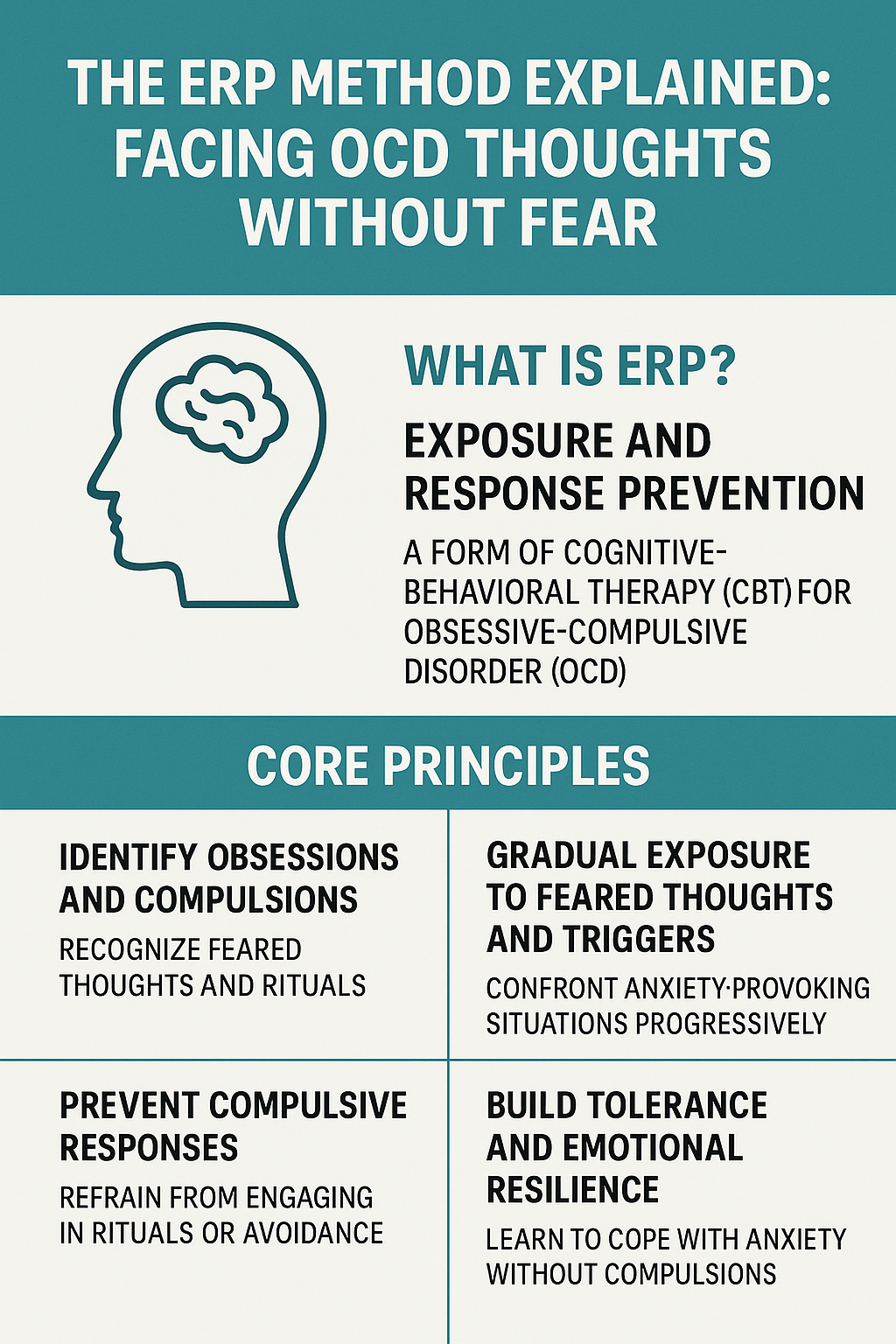
The ERP Method Explained: Facing OCD Thoughts Without Fear
Introduction to the ERP Method and Its Role in Treating OCD
how the ERP method helps you face OCD thoughts without fear
Living with obsessive-compulsive disorder (OCD) often feels like being trapped in a loop of unwanted thoughts and rituals. These intrusive thoughts can create unbearable anxiety, leading sufferers to perform compulsions as a way to feel “safe.” But what if the very behaviors meant to bring relief are the ones feeding the cycle?
That’s where ERP (Exposure and Response Prevention) therapy comes in — a scientifically proven approach that helps people face OCD thoughts head-on, without fear or avoidance. By gradually exposing individuals to their fears while preventing their usual compulsive responses, ERP helps retrain the brain to react differently to anxiety.
ERP is widely recognized as the gold standard treatment for OCD, recommended by leading mental health organizations like the International OCD Foundation (IOCDF) and the American Psychological Association (APA). It offers real hope for those who have tried everything else and still feel trapped by their own thoughts.
Understanding Obsessive-Compulsive Disorder (OCD)
OCD is a mental health disorder characterized by two main components — obsessions and compulsions.
Obsessions are intrusive, unwanted thoughts, images, or urges that trigger distress or anxiety.
Compulsions are repetitive behaviors or mental rituals performed to neutralize or “undo” that distress.
For example, a person with contamination OCD may fear germs and wash their hands dozens of times a day. Another with “harm OCD” might repeatedly check if they’ve accidentally hurt someone, even when they haven’t.
The pattern is the same: fear → obsession → compulsion → temporary relief → stronger fear. ERP breaks this loop.
The Link Between Fear, Anxiety, and OCD
Fear plays a central role in OCD. It’s not just fear of an outcome — like getting sick or losing control — but fear of the thoughts themselves. People with OCD often say, “I know this doesn’t make sense, but it feels real.”
That emotional “realness” comes from how the brain misinterprets intrusive thoughts as threats. ERP helps correct this misinterpretation by teaching the brain that thoughts, no matter how disturbing, are just thoughts — not commands or truths.
What Is ERP Therapy?
The Meaning of “Exposure and Response Prevention”
ERP stands for Exposure and Response Prevention, a type of Cognitive-Behavioral Therapy (CBT) specifically designed for OCD. It involves two key components:
Exposure: Facing feared situations, thoughts, or triggers in a controlled way.
Response Prevention: Resisting the urge to perform compulsions or safety behaviors.
Together, these steps teach the brain that anxiety naturally fades over time, even without rituals or avoidance.
The Science Behind ERP and Cognitive-Behavioral Therapy (CBT)
ERP works by leveraging neuroplasticity, the brain’s ability to form new connections. Through repeated exposure, the brain learns that the feared outcome never occurs — or isn’t as catastrophic as it seems. Over time, the anxiety response weakens, and the person gains confidence in their ability to tolerate distress.
Research has consistently shown ERP’s effectiveness. Studies reveal that 60–80% of OCD patients experience significant improvement after completing ERP therapy, making it one of the most evidence-based treatments available.
Common Myths About ERP Therapy
There are several misconceptions about ERP:
Myth 1: ERP is about “flooding” patients with fear. Truth: It’s gradual and collaborative, never forced.
Myth 2: ERP eliminates anxiety completely. Truth: It teaches you to live with uncertainty, not eradicate it.
Myth 3: ERP is only for severe OCD. Truth: It can help mild to severe cases and even subclinical anxiety.
How ERP Works: The Core Principles Explained
ERP typically unfolds in structured stages, designed to gently guide patients toward resilience.
Step 1: Identifying Obsessions and Compulsions
The therapist helps the individual list their intrusive thoughts and corresponding compulsions, rating each on a fear hierarchy — from mildly distressing to extremely anxiety-provoking.
Step 2: Gradual Exposure to Feared Thoughts and Triggers
Starting with lower-anxiety triggers, the individual deliberately confronts them while resisting compulsions. For example, someone afraid of contamination might touch a doorknob and avoid washing their hands for a set period.
Step 3: Preventing Compulsive Responses
The most powerful part of ERP is response prevention — learning to sit with anxiety without performing rituals. Over time, the brain realizes that nothing bad happens, and the urge to perform compulsions diminishes.
Step 4: Building Tolerance and Emotional Resilience
Through repeated practice, ERP builds distress tolerance — the ability to feel uncomfortable without reacting impulsively. This skill extends beyond OCD, improving overall emotional stability..
Real-Life Examples of ERP in Action
Understanding how ERP works in real-world scenarios can make the process less intimidating and more relatable. Here are some common examples of ERP exercises tailored to different OCD themes:
Example 1: Contamination OCD
A person with contamination OCD might fear that touching public surfaces will make them or others sick. ERP Exercise: The therapist may guide them to touch a doorknob or money without washing their hands immediately afterward. Over time, they learn that nothing catastrophic happens — their anxiety peaks, then fades naturally.
Example 2: Intrusive Thoughts OCD
Someone plagued by disturbing thoughts (like “What if I hurt someone?”) may try to suppress or neutralize these thoughts with mental rituals. ERP Exercise: Instead of avoiding the thought, the person intentionally brings it to mind and refrains from performing mental “undoing” rituals. This helps the brain learn that thoughts are harmless and don’t require control.
Example 3: Checking OCD
A person constantly checks if the stove is off or the door is locked. ERP Exercise: They may check once, take a photo for reassurance, and resist re-checking. Over sessions, they gradually stop the safety behavior entirely, discovering that uncertainty can be tolerated.
These examples highlight that ERP isn’t about eliminating thoughts but changing your relationship with them. By learning that anxiety and discomfort can be endured, the power of OCD diminishes.
The Psychological Mechanisms Behind ERP’s Success
ERP is powerful not because it’s magical, but because it rewires how the brain processes fear and uncertainty. Here’s how:
How Habituation Reduces Anxiety Over Time
When we avoid something that scares us, our brain never learns that it’s safe. ERP breaks this avoidance cycle. By repeatedly facing the fear, habituation occurs — the anxiety naturally decreases after repeated exposure, just like how cold water feels warmer after a few moments.
The Role of Neuroplasticity in ERP Progress
The brain is constantly learning. Through ERP, new neural pathways form that associate previously feared situations with safety rather than danger. Over time, the “OCD alarm system” quiets down. This is neuroplasticity at work — your brain literally reshaping itself to support recovery.
Benefits of ERP Therapy for OCD Sufferers
ERP offers more than just symptom relief — it creates lasting transformation. Here’s how it changes lives:
Long-Term Anxiety Reduction
Instead of offering short-term comfort (like compulsions do), ERP trains the brain for long-term calm. Anxiety becomes a signal to lean into discomfort, not run away from it.
Improved Quality of Life and Self-Confidence
As individuals face fears and survive without rituals, their confidence grows. They regain control over their daily lives — relationships improve, productivity increases, and self-worth flourishes.
Evidence-Based and Enduring Results
Unlike many treatments that lose effectiveness, ERP’s impact tends to endure over time. Studies consistently show that individuals who complete ERP maintain their progress for years afterward.
Challenges and Common Fears in ERP Therapy
While ERP is transformative, it’s not always easy. Understanding potential challenges helps prepare for success.
Facing Your Worst Fears Without Compulsion
ERP asks you to face the very situations that cause distress — without performing rituals. This can initially increase anxiety. But therapists ensure exposures are gradual and manageable, building strength step by step.
Dealing with Resistance and Setbacks
It’s common to feel frustrated or scared during ERP. Progress isn’t linear — some days are harder than others. The key is self-compassion and persistence. Every moment of resistance faced without ritual is a victory.
Remember, ERP isn’t about perfection — it’s about progress.
ERP vs. Other OCD Treatments
To appreciate ERP’s uniqueness, let’s see how it compares to other common approaches.
Treatment Type
Approach
Effectiveness for OCD
ERP Therapy
Gradual exposure to feared thoughts while preventing compulsions
High (60–80% success rate)
Medication (SSRIs)
Reduces anxiety by altering serotonin levels
Moderate, often used with ERP
Talk Therapy
Discusses emotions without behavioral change
Low for OCD
Psychoanalysis
Explores unconscious motives
Ineffective for OCD symptoms
ERP stands out because it targets the behavioral patterns maintaining OCD, not just the thoughts or feelings.
Tips for Getting Started with ERP Therapy
ERP is most effective when approached intentionally. Here are some practical steps to begin your journey:
Working with a Certified ERP Therapist
Look for a therapist trained in ERP or CBT. Many are certified by the International OCD Foundation (IOCDF) or similar organizations. A good therapist will create a personalized fear hierarchy and guide you with empathy and structure.
Setting Realistic Goals and Expectations
ERP takes time — progress is often gradual. Start small, celebrate wins, and accept that temporary discomfort leads to lasting peace.
Tracking Progress and Managing Relapse
Journaling helps track triggers, exposures, and emotional responses. If old fears resurface, returning to ERP techniques quickly prevents relapse.
Self-Help ERP Techniques You Can Practice Safely
If professional therapy isn’t immediately accessible, these self-help strategies can serve as a foundation.
Imaginal Exposure Exercises
Write detailed scripts about your feared thoughts or situations. Read them daily until the fear response weakens. This mental exposure mimics real-life ERP and strengthens your tolerance to anxiety.
Journaling and Mindfulness for OCD Management
Mindfulness complements ERP by teaching nonjudgmental awareness of thoughts. Instead of labeling thoughts as “good” or “bad,” mindfulness encourages observing them as passing mental events — not truths demanding action.
The Importance of Professional Guidance
ERP can be emotionally demanding, and having the right support system is essential.
When to Seek Help from an ERP Specialist
If obsessions interfere with work, relationships, or safety, professional therapy is crucial. Therapists can tailor exposures to your needs and ensure safety throughout the process.
ERP doesn’t “cure” OCD, but it can dramatically reduce symptoms to the point where OCD no longer controls your life. Many achieve near-complete remission.
2. How long does ERP therapy take to work?
Most people notice improvement within 8–12 sessions, though lasting results depend on consistency and individual factors.
3. Is ERP safe for all types of OCD?
Yes, but it must be adapted for each subtype. For example, intrusive harm thoughts may use imaginal exposure, while contamination fears may use physical exposure.
4. What should I expect in my first ERP session?
You’ll discuss your obsessions and compulsions, build a fear hierarchy, and begin mild exposure exercises. Your therapist will never force you to face fears before you’re ready.
5. Can I do ERP on my own without a therapist?
While basic ERP can be practiced independently, professional guidance ensures safety, progress, and emotional support.
6. How do I handle setbacks during ERP?
Expect setbacks — they’re part of healing. Revisit earlier exposures, practice mindfulness, and remind yourself that recovery is a process, not perfection.
Conclusion: Learning to Face OCD Thoughts Without Fear
Facing OCD thoughts through ERP isn’t about “getting rid” of anxiety — it’s about learning that you can handle it. Every exposure, every moment of discomfort, teaches your brain that fear doesn’t need control to fade away.
The ERP method gives people back their power — power to live, laugh, and love without being chained to compulsions. Recovery may not be linear, but it’s possible. With patience, persistence, and professional support, you can truly face OCD thoughts without fear and reclaim your peace of mind.
How to Use CBT Techniques to Reframe and Reduce OCD Thinking
How to Use CBT Techniques to Reframe and Reduce OCD Thinking
Introduction: Understanding OCD and the Role of CBT
Obsessive-Compulsive Disorder (OCD) can often feel like an unrelenting cycle of intrusive thoughts and repetitive behaviors. These obsessions and compulsions can consume hours of your day, leaving you drained, anxious, and frustrated. Fortunately, Cognitive Behavioral Therapy (CBT) has emerged as one of the most effective and evidence-based approaches for managing and reducing OCD symptoms.
CBT helps you understand the connection between your thoughts, emotions, and behaviors. It doesn’t aim to eliminate intrusive thoughts entirely—rather, it empowers you to change your relationship with them. By learning how to reframe maladaptive thought patterns, individuals with OCD can significantly reduce anxiety and regain control over their minds.
Core Principles of CBT for OCD Recovery
The Cognitive Model: Thoughts, Emotions, and Behaviors
At the heart of CBT is the cognitive model, which suggests that our emotions and actions are shaped by how we interpret events—not the events themselves. For individuals with OCD, this means that distress stems not from the intrusive thought itself but from the meaning attached to it.
For example, thinking “I might harm someone” doesn’t mean you will. It’s simply a thought, yet OCD convinces you it’s a threat. CBT helps challenge these distorted interpretations so you can view thoughts more objectively.
How OCD Distorts Thinking Patterns
People with OCD often experience cognitive distortions such as:
Catastrophizing: Expecting the worst possible outcome.
Overresponsibility: Feeling personally accountable for preventing harm.
Thought-action fusion: Believing that thinking something is as bad as doing it.
Recognizing these patterns is the first step toward breaking OCD’s grip.
The Importance of Identifying Triggers and Intrusive Thoughts
A CBT therapist will often help clients create a thought log to identify triggers—situations that spark obsessions—and the compulsions that follow. This awareness allows you to respond consciously rather than react automatically.
Step-by-Step Guide: Using CBT Techniques to Reframe OCD Thinking
Step 1: Recognizing and Labeling Intrusive Thoughts
The first step is to acknowledge intrusive thoughts without judgment. When a thought like “What if I hurt someone?” arises, label it as an “OCD thought” rather than a real threat. This helps you create mental distance and weakens its power.
Example: Instead of saying “I’m dangerous,” say “I’m having a thought about being dangerous.”
Step 2: Challenging Cognitive Distortions
Use thought records to challenge and reframe irrational beliefs. Write down:
The intrusive thought
The emotion it triggers
Evidence for and against the thought
A balanced, realistic alternative
This process trains your brain to spot exaggerations and replace them with rational, grounded thinking.
Step 3: Behavioral Experiments and ERP
Exposure and Response Prevention (ERP)—a branch of CBT—is one of the most powerful techniques for OCD. It involves gradual exposure to triggers while resisting the urge to perform compulsions. Over time, your brain learns that anxiety naturally fades without rituals.
Step 4: Practicing Cognitive Restructuring Daily
Cognitive restructuring means actively reframing irrational fears. For instance, instead of saying “I must wash my hands 10 times or I’ll get sick,” reframe it as “Washing once is enough to stay healthy.”
Step 5: Building Mindfulness and Acceptance
Mindfulness complements CBT by helping you observe thoughts without reacting. Meditation, deep breathing, or grounding techniques help reduce emotional reactivity, allowing your rational mind to take charge.
Practical CBT Tools for OCD Management
Journaling and Tracking Thought Patterns
Writing down your experiences helps identify recurring thought patterns. You can use apps or paper journals to document triggers, compulsions, and your progress.
The Role of Self-Compassion
Many people with OCD struggle with guilt and shame. Practicing self-compassion—reminding yourself that OCD is a medical condition, not a character flaw—reduces self-criticism and supports long-term healing.
Using Exposure Hierarchies
An exposure hierarchy ranks feared situations from least to most distressing. Working gradually through this list helps desensitize you to anxiety-provoking triggers over time.
Common Mistakes to Avoid When Applying CBT to OCD
Overanalyzing thoughts instead of observing them mindfully.
Using avoidance or safety behaviors, which reinforce OCD’s cycle.
Expecting quick results—CBT requires consistent practice and patience.
Recovery is gradual, but every small step toward reframing a thought is a victory.
Combining CBT with Lifestyle Strategies
The Role of Sleep, Nutrition, and Exercise
Physical wellness directly influences mental resilience. Adequate rest, balanced meals, and moderate exercise can improve brain chemistry and reduce obsessive tendencies.
Incorporating Relaxation and Breathing Techniques
Relaxation practices—like diaphragmatic breathing, yoga, or progressive muscle relaxation—help regulate your body’s stress response, making CBT techniques more effective.
When to Seek Professional Support
If intrusive thoughts severely disrupt your life, seek a licensed CBT therapist or a specialist in OCD. You can find reputable directories at iocdf.org, a trusted OCD resource.
FAQs about Using CBT Techniques for OCD
1. Can I use CBT techniques on my own? Yes, but working with a therapist can accelerate progress and prevent common pitfalls.
2. How long does CBT take to work for OCD? Most people notice improvements within 8–12 weeks of consistent practice.
3. Is ERP part of CBT? Yes, ERP is a specialized form of CBT designed for OCD treatment.
4. Can mindfulness replace CBT? No, but it enhances CBT’s effectiveness by improving awareness and emotional regulation.
5. What if CBT increases my anxiety at first? That’s normal—exposure can be uncomfortable before it becomes empowering.
6. Does medication help alongside CBT? In some cases, SSRIs combined with CBT yield the best outcomes.
Conclusion: Reclaiming Control Through CBT
CBT offers a structured, empowering path to reframe and reduce OCD thinking. By learning to observe, challenge, and reframe intrusive thoughts, you reclaim control over your mental space. Remember—progress is not perfection. Each time you respond to a thought differently, you’re retraining your brain toward calm, clarity, and confidence.
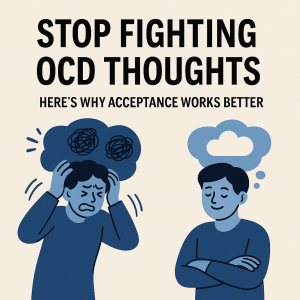
Stop Fighting OCD Thoughts: Here’s Why Acceptance Works Better
Stop Fighting OCD Thoughts
Understanding OCD and Intrusive Thoughts
Stop Fighting OCD Thoughts: Obsessive-Compulsive Disorder (OCD) is more than just being overly neat or perfectionistic — it’s a mental health condition where unwanted intrusive thoughts cause significant anxiety. These intrusive thoughts often trigger repetitive mental or physical actions known as compulsions, which are meant to relieve distress.
Everyone experiences odd, fleeting thoughts — like “What if I dropped my phone?” — but for someone with OCD, these thoughts feel urgent, dangerous, or immoral. The brain mistakenly treats them as real threats, setting off an exhausting cycle of anxiety and compulsion.
The Cycle of Obsession and Compulsion
When an intrusive thought appears, the instinctive response is to push it away, argue with it, or neutralize it through mental rituals. Ironically, these attempts to “fight” the thought only reinforce its power. The mind learns: “This thought must matter — I need to get rid of it.”
This loop keeps the obsession alive. The harder you fight, the louder the thought becomes.
Common Misconceptions About OCD
Many people mistakenly believe they should “just stop thinking about it.” But thought suppression doesn’t erase intrusive thoughts; it strengthens them. OCD isn’t a lack of willpower — it’s a misfiring alarm system that needs retraining, not resistance.
Why Fighting OCD Thoughts Doesn’t Work
Trying to control your thoughts is like trying not to think of a pink elephant — the more you resist, the more it appears. Psychologists call this the ironic process theory: deliberate thought suppression backfires, making the unwanted thought even stronger.
OCD thrives on this pattern. Each time you fight a thought, you’re signaling to your brain that it’s dangerous. That keeps the anxiety loop alive.
The Role of Anxiety and Control
OCD often stems from a desperate need for certainty and control. Whether it’s “Did I lock the door?” or “What if I harm someone?”, OCD convinces you that absolute certainty is possible — if you just think hard enough. But chasing certainty is a trap; acceptance teaches you to live without it.
Example Scenarios: Fighting vs. Accepting
Fighting:
“I can’t have this thought. What if it means I’m bad? I need to check again.”
Accepting:
“I’m having the thought that I might be bad. That’s just my brain being anxious right now.”
The second approach doesn’t feed the OCD cycle; it defuses it.
The Power of Acceptance in OCD Recovery
Acceptance doesn’t mean approving of intrusive thoughts — it means allowing them to exist without engaging with them. When you accept thoughts as mental events rather than moral facts, you stop fueling the OCD engine.
Acceptance and Commitment Therapy (ACT)
ACT helps you focus on living a meaningful life rather than endlessly analyzing thoughts. It teaches you that thoughts are not commands — they’re passing clouds in the sky of your mind.
Mindfulness as a Tool for Acceptance
Mindfulness encourages observing your thoughts without judgment or reaction. By staying present, you realize that thoughts come and go naturally when you stop wrestling with them.
Practical Steps to Practice Acceptance
Acceptance isn’t easy, but it’s a skill you can develop.
Cognitive Defusion Exercises
Cognitive defusion means learning to “see” your thoughts instead of “being” them. Try this:
Prefix your thoughts with “I’m having the thought that…”
Visualize the thought as a cloud drifting by.
Label the emotion without judgment: “That’s anxiety.”
Over time, these techniques weaken OCD’s emotional grip.
Exposure and Response Prevention (ERP)
ERP, the gold-standard therapy for OCD, aligns perfectly with acceptance. You expose yourself to feared situations without performing compulsions. The anxiety rises, peaks, and falls naturally — proving you never needed to fight the thought in the first place.
The Role of Self-Compassion in Healing
Acceptance isn’t just about thoughts — it’s also about accepting yourself. OCD sufferers often hold themselves to impossibly high moral standards. Self-compassion reminds you that having scary thoughts doesn’t make you a bad person; it makes you human.
Building Tolerance for Uncertainty
Learning to sit with uncertainty is one of the hardest — but most freeing — parts of recovery. Start small. Let a light remain unchecked. Let the doubt linger. Over time, your tolerance grows, and OCD loses its control.
Professional Help and When to Seek It
If your OCD thoughts are overwhelming or interfere with daily life, seek help from a therapist trained in ERP or ACT. Medication, like SSRIs, can also help regulate brain chemistry and make therapy more effective.
Finding the Right Therapist
Look for clinicians with experience in Exposure and Response Prevention (ERP) or Acceptance and Commitment Therapy (ACT). Websites like IOCDF.org can help you find qualified specialists near you.
FAQs About Acceptance and OCD
1. Does acceptance mean I’m okay with my intrusive thoughts? No. Acceptance means you’re allowing the thought to exist without reacting — not agreeing with it.
2. Won’t ignoring thoughts make them worse? Ignoring and accepting are different. Acceptance means noticing thoughts calmly, not pushing them away.
3. Can OCD ever go away completely? Many people experience full recovery or significant relief with consistent therapy and practice.
4. How long does ACT or ERP take to work? It varies, but noticeable improvements can occur within weeks to months of consistent effort.
5. Can I practice acceptance on my own? Yes — mindfulness, journaling, and self-help books can help, but therapy accelerates progress.
6. What if acceptance feels impossible right now? That’s okay. Start small. Even noticing your struggle without judgment is a form of acceptance.
Conclusion: Letting Go is the Real Power
When you stop fighting OCD thoughts, you stop feeding them. Acceptance teaches you that peace doesn’t come from control — it comes from surrendering to the natural flow of the mind.
Letting go isn’t weakness; it’s strength. Acceptance is how you reclaim your life from OCD.
10 Powerful Cognitive Tricks Therapists Use to Defuse Intrusive Thoughts
10 Powerful Cognitive Tricks Therapists Use to Defuse Intrusive Thoughts
Introduction: Understanding the Mind Behind Intrusive Thoughts
Intrusive thoughts are uninvited mental images or ideas that appear suddenly, often carrying uncomfortable or distressing content. They can make you question your sense of control, morality, or safety — even when you know the thoughts don’t reflect your true intentions.
Therapists emphasize that these thoughts are not dangerous but rather a byproduct of how the brain processes anxiety and uncertainty. Instead of trying to suppress them (which paradoxically makes them stronger), experts teach cognitive tricks that help individuals observe, label, and eventually defuse these mental intrusions.
Understanding and managing intrusive thoughts through cognitive therapy techniques empowers individuals to reframe their experience — turning distress into self-awareness.
1. The “Name It to Tame It” Technique
When distressing thoughts strike, therapists often encourage clients to label what’s happening. Instead of getting lost in “Why am I thinking this?”, you might say, “This is anxiety,” or “This is an intrusive thought.”
According to neuroscientific research, naming emotions activates the prefrontal cortex — the rational part of your brain — while calming the amygdala, which handles emotional reactions.
This simple yet powerful act gives you distance from your thoughts, reducing their emotional charge and helping you feel grounded.
2. Cognitive Defusion: Seeing Thoughts as Mental Events
Therapists trained in Acceptance and Commitment Therapy (ACT) use cognitive defusion to help clients see thoughts for what they are — passing mental events, not absolute truths. For instance, imagine your intrusive thought as a cloud drifting by or as a car driving down a highway. You notice it, acknowledge it, and let it pass.
By doing so, you disengage from over-identification with your thoughts, which is often what keeps them looping.
3. The “What If” Questioning Strategy
Intrusive thoughts often start with the classic “What if…?” spiral — “What if I hurt someone?” or “What if I lose control?” Therapists apply Socratic questioning, encouraging clients to challenge these assumptions:
What’s the evidence for this thought?
How likely is it to actually happen?
What would I tell a friend thinking this way?
This logical inquiry transforms catastrophic predictions into manageable perspectives.
4. Mindfulness-Based Awareness Training
Mindfulness is a cornerstone of cognitive therapy for intrusive thoughts. When you focus on present-moment awareness, you interrupt the autopilot mode of anxious thinking. Techniques like mindful breathing, body scanning, and sensory grounding (naming things you see, hear, or feel) shift attention from internal chaos to external calm.
Consistent mindfulness practice rewires the brain, reducing reactivity to intrusive content.
5. The “Post-It Note” Technique for Thought Externalization
Therapists sometimes ask clients to write intrusive thoughts down on paper — or even on a Post-It note. Externalizing a thought reduces its emotional impact because the brain perceives it as “outside” rather than “inside.”
Seeing your thought written down helps you treat it objectively, much like observing a problem on a whiteboard rather than battling it in your head.
6. Reframing Catastrophic Thinking
Cognitive reframing helps individuals question their exaggerated beliefs and replace them with balanced, realistic interpretations. For example, instead of “I’ll never stop thinking this,” reframe it as “This thought is uncomfortable, but it will pass.”
Therapists model this process in session, showing how to replace fear-based language with compassionate, logical reasoning.
7. Paradoxical Intention: Inviting the Thought
This counterintuitive technique, introduced by psychiatrist Viktor Frankl, involves doing the opposite of avoidance. Instead of fighting the thought, you deliberately bring it to mind — and often find it loses its power.
By “inviting” the intrusive thought, you stop fueling it with resistance, breaking the fear cycle that keeps it recurring.
8. The “Stop and Replace” Method
Therapists sometimes teach clients to mentally say “STOP!” when a thought intrudes, followed by a replacement statement like “I am safe right now.” This builds a cognitive pattern interrupt.
Over time, repetition rewires the brain’s response, reducing the automatic nature of intrusive thinking.
9. Behavioral Activation: Shifting from Mind to Action
Physical movement and purposeful activity can snap the mind out of repetitive loops. Behavioral activation — a CBT tool — focuses on doing, not just thinking.
Engaging in tasks like cleaning, exercising, or creative hobbies redirects mental energy and increases dopamine, reinforcing a sense of agency.
10. Compassion-Focused Visualization
Many intrusive thoughts trigger guilt or shame. Compassion-focused therapy teaches clients to visualize a kind, understanding version of themselves — a mental image of warmth that counters self-criticism. This technique strengthens emotional resilience and helps internalize self-compassion as a habitual response.
How Cognitive Behavioral Therapy (CBT) Integrates These Techniques
CBT doesn’t rely on just one method; it blends multiple tools to help clients understand and manage thought-emotion-behavior links. Therapists assess which trick works best for each individual, creating a tailored plan for long-term progress.
When Intrusive Thoughts Signal Something More Serious
If intrusive thoughts are constant, disturbing, or cause significant distress, they may indicate Obsessive-Compulsive Disorder (OCD) or anxiety disorders. Therapists recommend seeking professional help if thoughts interfere with sleep, relationships, or daily functioning.
6 FAQs About Cognitive Tricks Therapists Use to Defuse Intrusive Thoughts
1. Can intrusive thoughts be completely eliminated? Not entirely — but their power can be greatly reduced with consistent cognitive and mindfulness practices.
2. Do these techniques work without therapy? Yes, many can be self-applied, but professional guidance enhances effectiveness.
3. Are intrusive thoughts a sign of psychosis? No, intrusive thoughts are common in anxiety and OCD, not psychotic disorders.
4. How long does it take for these techniques to work? Consistency is key; noticeable improvement often occurs within weeks.
5. Should I tell my therapist about violent or taboo thoughts? Absolutely. Therapists are trained to understand such thoughts objectively and nonjudgmentally.
6. What’s the best first step to manage intrusive thoughts? Start with awareness — recognize the thought, name it, and practice mindfulness or defusion.
Conclusion: Building Long-Term Mental Resilience
Intrusive thoughts lose their grip not through control, but through acceptance, reframing, and compassion. By practicing these 10 cognitive tricks therapists use, you train your brain to relate to your thoughts differently — calmly, curiously, and courageously.
The key is patience: over time, your inner world becomes quieter, kinder, and far more resilient.
🧘♀️ Why Meditation Helps You Take Control of OCD Thoughts
Understanding OCD: The Battle with Unwanted Thoughts
why meditation helps you take control of OCD thoughts
Obsessive-Compulsive Disorder (OCD) is more than just perfectionism or neatness — it’s a mental health condition driven by unwanted, intrusive thoughts and repetitive behaviors. People with OCD often feel trapped in a loop: a distressing thought appears, anxiety rises, and they perform rituals to neutralize that fear. Unfortunately, these rituals provide only temporary relief, reinforcing the cycle.
OCD affects nearly 2–3% of the population worldwide, cutting across all ages and backgrounds. These obsessive thoughts can range from contamination fears to worries about harm, morality, or order. What makes them so tormenting is their persistence — they come uninvited, often at the worst times, and feel impossible to control.
How OCD Affects the Brain and Mind
The OCD brain is uniquely wired. Neuroimaging studies show hyperactivity in the orbitofrontal cortex, anterior cingulate cortex, and caudate nucleus — regions involved in decision-making, emotion regulation, and error detection. This overactivation makes it difficult for sufferers to distinguish between real and imagined threats.
Furthermore, serotonin imbalances can heighten anxiety responses, making it feel like every intrusive thought demands urgent action. The result is a “false alarm” system — the brain signals danger when none exists.
The Role of Compulsions and Anxiety Loops
Compulsions, whether physical (washing, checking) or mental (counting, praying), act as temporary coping mechanisms. However, each act reinforces the obsessive loop. Over time, the brain learns that rituals equal relief — strengthening the obsessive-compulsive cycle.
Breaking this loop requires awareness, acceptance, and retraining the brain’s response — which is where meditation becomes a powerful ally.
Meditation: A Science-Backed Path to Mental Calm
Meditation isn’t about suppressing thoughts — it’s about observing them without judgment. By cultivating mindfulness, individuals can step back from intrusive thoughts and see them as temporary mental events, not commands that demand action.
Scientific research supports this: regular meditation lowers cortisol levels, balances serotonin, and activates the prefrontal cortex — the brain’s rational center. This shift allows for calmer, more intentional responses instead of knee-jerk reactions to intrusive thoughts.
Types of Meditation That Benefit OCD Sufferers
Mindfulness Meditation – Encourages awareness of the present moment, helping individuals recognize intrusive thoughts without reacting.
Breath Awareness Meditation – Focuses on rhythmic breathing to ground the mind during anxiety spikes.
Body Scan Meditation – Helps release tension stored in the body, reducing physical anxiety symptoms.
Loving-Kindness Meditation (Metta) – Promotes self-compassion, reducing guilt and shame associated with OCD.
Mantra Meditation – Replaces obsessive loops with calm, repetitive affirmations or phrases.
Mindfulness vs. Traditional Meditation
While traditional meditation often emphasizes focus or transcendence, mindfulness meditation emphasizes awareness and acceptance. For OCD sufferers, this approach is particularly effective — it teaches that thoughts are just thoughts, not truths or threats. Over time, mindfulness reduces the intensity and frequency of intrusive thoughts by changing the relationship with them.
How Meditation Helps You Take Control of OCD Thoughts
Meditation empowers OCD sufferers to take back control — not by eliminating intrusive thoughts, but by changing how they respond to them.
Reducing Intrusive Thoughts Through Present-Moment Awareness
Meditation anchors the mind in the “now.” When practiced consistently, mindfulness reduces rumination by pulling attention away from what-ifs and imagined fears. Each breath becomes a reminder that control doesn’t come from suppressing thoughts — but from letting them pass without engagement.
Rewiring the Brain: Neuroplasticity and OCD Relief
Research shows meditation enhances neuroplasticity, the brain’s ability to form new neural pathways. Over time, this rewiring strengthens areas related to calm decision-making and weakens anxiety circuits. Essentially, meditation trains your brain to remain calm even when OCD triggers appear.
Managing Anxiety Triggers and Emotional Responses
Meditation lowers the body’s stress response, reducing cortisol and adrenaline. By practicing regularly, you become more aware of early signs of anxiety, allowing you to respond with mindfulness instead of compulsion. This newfound self-awareness builds emotional resilience.
Scientific Studies Supporting Meditation for OCD
A 2018 study published in Frontiers in Psychology found that mindfulness-based therapy significantly reduced OCD symptoms in participants who practiced daily meditation. Another 2021 review in Clinical Psychology Review confirmed that Mindfulness-Based Cognitive Therapy (MBCT) and Acceptance and Commitment Therapy (ACT) help reduce obsessive thinking and improve emotional regulation.
These findings show that meditation is more than a spiritual practice — it’s a neuroscience-backed tool for mental healing.
Real-Life Case Studies and Success Stories
Consider Jessica, a 29-year-old teacher diagnosed with OCD. Through six months of guided mindfulness meditation, she learned to observe intrusive thoughts without panic. Her compulsion frequency dropped by 60%. Similarly, Mark, a student, used breath meditation to manage test anxiety, breaking the link between stress and compulsions.
Step-by-Step Guide: Starting Meditation for OCD
Find a Quiet Space: Choose a distraction-free environment.
Set a Timer: Begin with 5–10 minutes daily.
Focus on Breathing: Notice each inhale and exhale.
Observe Thoughts: When intrusive thoughts arise, label them gently (“thinking”) and return to the breath.
End with Gratitude: Acknowledge your effort, even if your mind wandered.
How to Create a Meditation Routine That Works
Consistency is key: Even 10 minutes daily creates long-term change.
Pair it with therapy: Meditation complements Exposure and Response Prevention (ERP) therapy effectively.
Use gentle guidance: Apps like Headspace or Insight Timer provide structured sessions.
Tools and Apps to Support Meditation Practice
App Name
Key Feature
Best For
Headspace
Guided mindfulness for beginners
Anxiety and intrusive thoughts
Calm
Sleep and relaxation programs
Evening meditation
Insight Timer
Thousands of free meditations
Long-term consistency
Waking Up
Deep mindfulness theory + practice
Advanced users
Common Challenges and How to Overcome Them
Wandering Thoughts: Accept them and return gently to your breath.
Restlessness: Try shorter sessions until focus improves.
Emotional Discomfort: Meditation can bring up buried emotions — breathe through them and seek support if needed.
Lack of Motivation: Remember, progress is gradual but permanent.
When to Seek Professional Help
Meditation is powerful, but not a standalone cure. If OCD symptoms cause significant distress or interfere with daily life, consult a therapist. Combining Cognitive Behavioral Therapy (CBT), Exposure and Response Prevention (ERP), and meditation yields the best results.
Q1: Can meditation cure OCD completely? No, meditation isn’t a cure, but it’s a highly effective management tool that reduces symptoms and promotes emotional control.
Q2: How long before I notice results? With consistent daily practice, many people notice improvements in 4–8 weeks.
Q3: Should I meditate during OCD flare-ups? Yes — even short sessions can calm anxiety spikes and reduce intrusive thought intensity.
Q4: Can meditation worsen OCD? Rarely. Some people may initially feel more aware of their thoughts, but this awareness is part of the healing process.
Q5: Is guided meditation better for OCD beginners? Absolutely. Guided meditations provide structure and reassurance, making it easier to stay consistent.
Q6: What’s the best time to meditate for OCD relief? Morning or bedtime are ideal — when the mind is naturally quieter and more receptive.
Conclusion: Regaining Control Through Stillness
Meditation gives you the one thing OCD tries to take away — control. Not by fighting thoughts, but by observing them calmly. Each mindful breath weakens OCD’s grip, replacing fear with understanding and chaos with peace.
Remember: freedom from OCD isn’t about erasing thoughts — it’s about changing your relationship with them. Through consistent meditation, you reclaim your mental space, one breath at a time.
Mind Over Obsession: 15 Calming Techniques to Stop Racing OCD Thoughts Naturally
Mind Over Obsession
Introduction: Understanding the Battle Within the Mind
If you’ve ever felt trapped in a relentless cycle of repetitive, intrusive thoughts that seem impossible to quiet — you’re not alone. Millions of people experience racing OCD thoughts, where the mind becomes a whirlwind of “what ifs,” “shoulds,” and “musts.” These obsessive thought loops can feel like mental quicksand, pulling you deeper the more you struggle against them.
The concept of “Mind Over Obsession” isn’t about suppressing these thoughts but about changing how you relate to them. It’s learning to step back, observe, and choose calm over chaos. By integrating mindfulness, evidence-based therapies, and gentle lifestyle shifts, you can reclaim control and restore balance to your mind.
Decoding OCD: A Closer Look at Obsessions and Compulsions
What Are Racing OCD Thoughts?
Racing OCD thoughts are intrusive mental loops that repeat uncontrollably — often accompanied by anxiety, guilt, or fear. These aren’t just fleeting worries; they’re persistent, distressing thoughts that trigger compulsive behaviors or mental rituals meant to neutralize the discomfort.
For instance, someone might repeatedly check a door lock out of fear of being unsafe or mentally replay conversations to ensure they didn’t say something wrong. It’s exhausting, both mentally and physically.
The Emotional and Physical Toll of Obsessive Thinking
Constant hyper-vigilance taxes the nervous system. Over time, it leads to fatigue, irritability, and even physical symptoms like tension headaches or stomach upset. Emotionally, it creates self-doubt and guilt, making everyday life feel like a battlefield.
The Science Behind Racing Thoughts: Why Your Brain Feels Stuck on Repeat
At the core of OCD lies an imbalance in the cortico-striatal-thalamo-cortical (CSTC) circuit, a loop in the brain responsible for regulating thought patterns and behavior. When this loop misfires, the amygdala (the brain’s fear center) becomes overactive, signaling constant danger — even when none exists.
This “false alarm system” keeps the body in a state of chronic stress. As anxiety increases, so does the urge to control or neutralize intrusive thoughts, perpetuating the OCD cycle.
Mind Over Obsession: How to Calm Racing OCD Thoughts Naturally
1. Cognitive Behavioral Techniques (CBT) for Mental Clarity
CBT helps you recognize and reframe distorted thinking. Instead of reacting to intrusive thoughts as truths, you learn to see them as mental events — clouds passing through the sky of your consciousness. Over time, this rewiring reduces the brain’s tendency to catastrophize.
2. Exposure and Response Prevention (ERP): Facing Fears Gradually
ERP, a gold-standard OCD treatment, encourages individuals to face triggering situations without engaging in compulsions. It teaches that anxiety naturally peaks and fades — proving the mind doesn’t need rituals to feel safe.
3. Mindfulness Meditation: Detaching from the Thought Stream
Mindfulness teaches awareness without attachment. By sitting with your thoughts rather than fighting them, you train your mind to observe without reacting. Apps like Headspace and Calm provide excellent guided sessions for OCD-specific mindfulness.
4. Deep Breathing and Grounding Practices
Grounding techniques, like the 5-4-3-2-1 method (naming 5 things you see, 4 you touch, 3 you hear, etc.), help anchor you in the present moment when thoughts spiral. Deep breathing, particularly box breathing (4-4-4-4), calms the nervous system instantly.
Lifestyle Shifts to Support a Calmer Mind
Sleep, Nutrition, and Exercise
Poor sleep and nutrition worsen intrusive thoughts. Prioritize 7–8 hours of rest, balanced meals, and moderate exercise. Physical activity boosts serotonin, which stabilizes mood and reduces obsessive rumination.
Journaling and Thought Labeling
Writing your thoughts helps externalize them. Labeling them as “just thoughts” — rather than facts — trains the mind to detach from obsessive loops.
Digital Detox
Constant social media exposure can worsen OCD symptoms by feeding comparison and perfectionism. Setting tech-free hours daily restores mental quiet.
Professional Help: When to Seek Therapy or Medication
Sometimes, despite our best efforts, self-guided methods aren’t enough to break free from racing OCD thoughts. That’s when professional support becomes essential — not as a sign of weakness, but as a sign of self-awareness and courage.
Cognitive-Behavioral Therapy (CBT) and ERP Explained
Cognitive-Behavioral Therapy (CBT) remains one of the most effective treatments for obsessive-compulsive disorder. It helps individuals identify irrational beliefs, challenge them, and replace them with balanced thinking patterns.
Within CBT, Exposure and Response Prevention (ERP) deserves special mention. This evidence-based approach involves gradually facing your obsessions without giving in to compulsions. For example, someone fearful of germs might touch a doorknob and resist the urge to wash their hands. Over time, the brain learns that nothing catastrophic happens — the fear weakens, and control returns to the person.
The success of ERP lies in desensitization. By allowing anxiety to peak and naturally subside, individuals rewire the brain’s fear response system, reclaiming peace of mind.
Medications Commonly Used to Treat OCD
For many, therapy alone might not fully silence the storm. Selective Serotonin Reuptake Inhibitors (SSRIs) like fluoxetine (Prozac) or sertraline (Zoloft) can help rebalance serotonin levels in the brain, reducing obsessive thoughts and anxiety.
In severe or treatment-resistant cases, psychiatrists might recommend augmentation therapies, combining SSRIs with other medications or alternative approaches.
💡 Note: Always consult a licensed mental health professional before starting or adjusting any medication. Self-diagnosis and self-treatment can worsen symptoms.
The Role of Support Groups and Community Healing
Support groups — both online and in person — offer validation, shared experience, and practical tips. Hearing others’ stories often reminds us that OCD doesn’t define a person’s worth or potential. Communities like the International OCD Foundation (IOCDF) and OCD UK provide safe spaces for connection and recovery guidance.
Empowering Self-Talk: Building a Resilient Mental Narrative
Reframing Intrusive Thoughts Without Judgment
The secret to overcoming racing OCD thoughts lies in acceptance, not resistance. Instead of labeling thoughts as “good” or “bad,” simply acknowledge them as mental noise. Phrases like “I’m having a thought that…” create emotional distance, reducing the power of obsessions.
This reframing allows your rational brain to take the driver’s seat again, silencing the inner critic that often fuels OCD patterns.
Affirmations That Encourage Inner Calm and Control
Affirmations are powerful tools to retrain your subconscious mind. Repeat them daily — especially during moments of anxiety — to build self-trust and resilience.
Examples include:
“My thoughts don’t define me.”
“I am safe in this moment.”
“It’s okay to let go of control.”
“I am learning to live peacefully with uncertainty.”
Consistency turns these phrases into internal truths that quiet the racing mind over time.
Learning to Trust the Mind’s Natural Balance
The mind, like the ocean, can seem turbulent on the surface yet remains calm beneath. Trusting that balance — rather than fearing every wave — allows peace to reemerge naturally. With the right mindset and coping tools, calm becomes your baseline, not the exception.
Holistic and Alternative Techniques to Ease Racing Thoughts
In addition to traditional therapies, several holistic methods can complement your healing journey. These techniques nurture both body and mind, creating a full-spectrum sense of calm.
Yoga, Breathwork, and Aromatherapy for OCD
Yoga integrates breath and movement, grounding you in the present. Practices like yin yoga and hatha yoga are especially effective in calming overstimulation.
Combine this with aromatherapy — essential oils like lavender, chamomile, and frankincense — to engage the senses and soothe anxiety naturally.
Sound Healing and Calming Frequencies
Certain sound frequencies, such as 432 Hz or 528 Hz, can lower heart rate and promote emotional balance. Listening to these tones during meditation or before sleep creates a tranquil state that helps quiet intrusive thoughts.
Visualization and Guided Imagery Techniques
Guided imagery helps the brain “practice” calmness. Close your eyes and picture a safe, serene place — perhaps a quiet beach or mountain cabin. Engaging all five senses during visualization activates relaxation pathways in the nervous system.
Daily Routine for Managing OCD and Racing Thoughts
Creating a daily routine offers structure, predictability, and safety — all essential for calming an anxious mind.
Sample Morning Routine for Mental Clarity
Wake up early and spend 10 minutes in mindful breathing or journaling.
Avoid immediate phone use to prevent anxiety triggers.
Eat a balanced breakfast with protein and complex carbs to stabilize blood sugar and mood.
Set one clear intention for the day, such as “Today, I choose peace.”
Evening Rituals to Encourage Restful Sleep
Engage in a tech-free wind-down hour before bed.
Try gentle stretching, warm tea, or reading a calming book.
Use progressive muscle relaxation to release physical tension.
Reflect on three things you’re grateful for — gratitude quiets obsessive rumination.
Weekly Reflection and Self-Check Practices
Once a week, assess your progress. Journaling prompts like “What triggered me this week?” or “How did I respond differently?” help measure growth and reinforce positive habits.
Remember: progress in OCD management is nonlinear. Celebrate small wins — they add up to massive breakthroughs over time.
Success Stories: Real People, Real Transformations
How Practicing “Mind Over Obsession” Changed Lives
Consider Lara, a 29-year-old teacher who spent years plagued by contamination fears. Through ERP therapy and mindfulness meditation, she gradually reduced her compulsions from dozens per day to none. Her mantra? “My thoughts are not emergencies.”
Then there’s James, a musician whose perfectionism-fueled OCD made recording unbearable. By integrating breathing exercises, CBT, and affirmations, he learned to play freely again — rediscovering joy in imperfection.
These stories remind us that healing is possible, and even chronic OCD can become manageable with patience, practice, and persistence.
Key Takeaways from Recovery Journeys
Healing begins with awareness, not avoidance.
Progress is gradual, but each mindful step matters.
Self-compassion is the ultimate antidote to obsession.
FAQs About Calming Racing OCD Thoughts
1. What triggers racing thoughts in OCD?
Triggers vary but often include stress, lack of sleep, caffeine, and environmental changes. Identifying and managing these triggers is key to prevention.
2. Can mindfulness really stop obsessive thinking?
Yes — mindfulness trains your brain to observe thoughts without reacting. Over time, this reduces their emotional intensity and frequency.
3. How long does it take to see results with CBT or ERP?
Many people notice improvement within 8–12 weeks of consistent therapy, though full recovery varies depending on severity and personal effort.
4. Are there natural remedies for calming OCD thoughts?
Natural aids like chamomile tea, omega-3 supplements, magnesium, yoga, and meditation can help reduce anxiety when combined with therapy.
5. What should I avoid if I have OCD?
Avoid excessive caffeine, alcohol, and late-night screen time, as they can heighten anxiety and trigger intrusive thought loops.
6. Can OCD ever fully go away?
While OCD may not completely disappear, it can be successfully managed. Many individuals live full, peaceful lives with minimal symptoms.
Conclusion: Reclaiming Control Through Mind Over Obsession
OCD may distort reality, but it doesn’t define it. By practicing Mind Over Obsession, you can rise above intrusive thoughts and rediscover peace. Whether through CBT, mindfulness, affirmations, or holistic healing — every tool you use builds your resilience.
Healing isn’t about silencing your mind; it’s about learning to listen differently. You hold the power to choose calm over chaos, presence over panic, and balance over obsession.
🌿 Remember: The goal isn’t perfection — it’s progress. Each mindful breath brings you one step closer to peace.
External Resource: 👉 For professional OCD resources and therapy directories, visit the International OCD Foundation.
The Power of Awareness: Using Mindfulness to Fight Intrusive OCD Thoughts
Power of Awareness
In today’s fast-paced and often overwhelming world, intrusive thoughts have become a common experience for many. But for those with Obsessive-Compulsive Disorder (OCD), these thoughts can feel consuming, terrifying, and impossible to escape.
However, through the power of awareness and mindfulness, individuals can learn not to fight these thoughts, but to coexist with them peacefully — transforming fear into freedom.
Understanding Intrusive OCD Thoughts
What Are Intrusive Thoughts?
Intrusive thoughts are unwanted mental images or ideas that suddenly appear in the mind. They often involve themes of harm, contamination, doubt, or inappropriate impulses. Everyone experiences them occasionally, but people with OCD tend to attach excessive meaning to these thoughts, interpreting them as dangerous or immoral.
How OCD Amplifies These Thoughts
OCD thrives on anxiety and uncertainty. The more someone tries to suppress or avoid a thought, the stronger it becomes — a psychological phenomenon known as the rebound effect. For instance, telling yourself not to think about a “red balloon” almost guarantees you’ll picture one. Similarly, resisting an intrusive thought fuels the OCD cycle.
The Cycle of Obsession and Compulsion
OCD operates in a predictable pattern:
Obsession: An unwanted intrusive thought appears.
Anxiety: The thought triggers distress and fear.
Compulsion: The person performs a behavior (mental or physical) to reduce anxiety.
Temporary Relief: The compulsion soothes anxiety but reinforces the obsession, making it return stronger.
This loop continues — unless awareness interrupts it.
The Role of Awareness in Managing OCD
Defining Awareness and Mindfulness
Awareness means observing what’s happening in your mind without judgment. Mindfulness, rooted in Buddhist psychology and now widely used in therapy, involves being fully present in each moment — recognizing thoughts as transient mental events, not truths.
Awareness vs. Control — Why Acceptance Matters
One of the greatest misconceptions about OCD recovery is that success means getting rid of intrusive thoughts. In reality, healing begins when you stop trying to control them and start allowing them to exist. Awareness helps create distance between you and your thoughts — showing that thoughts are not actions, and having them doesn’t make you a bad person.
The Science Behind Awareness and the Brain
Research from UCLA and Harvard Medical School shows that mindfulness reduces hyperactivity in the amygdala (the brain’s fear center) and strengthens the prefrontal cortex, which is responsible for rational thought and emotional regulation. Simply put: awareness retrains your brain to respond calmly instead of reactively.
How Mindfulness Helps Combat Intrusive Thoughts
The Principle of Non-Judgmental Observation
Mindfulness teaches you to watch thoughts without labeling them as good or bad. When an intrusive thought appears, you might say, “That’s just a thought,” rather than, “Why am I thinking this awful thing?” This subtle shift breaks OCD’s emotional grip.
Distancing Yourself from OCD Thoughts
Instead of identifying with intrusive thoughts, mindfulness encourages detached observation — seeing thoughts as clouds passing through the sky of your awareness. This distance allows you to act based on values, not fear.
Mindfulness as a Disruptor of the OCD Cycle
Each time you choose awareness over reaction, you weaken OCD’s control. Over time, intrusive thoughts lose their intensity and emotional charge.
Practical Mindfulness Techniques for OCD Management
Breathing Awareness Exercises
Try this simple method:
Sit comfortably.
Breathe slowly and deeply.
Notice each inhale and exhale without trying to change them.
When intrusive thoughts appear, gently return attention to the breath.
Grounding and Sensory Practices
Engage your senses to anchor yourself in the present:
Notice five things you can see, four you can touch, three you can hear, two you can smell, and one you can taste. This technique immediately reduces the power of racing thoughts.
Guided Meditation and Thought Labeling
Apps like Headspace, Insight Timer, or YouTube mindfulness guides can help you label thoughts — e.g., “thinking,” “remembering,” “worrying.” Labeling prevents emotional entanglement.
Integrating Mindfulness into Daily Life
Creating a Mindful Routine
Start and end each day with a short awareness exercise — even one minute of deep breathing can rewire your brain toward calmness.
Using Journaling and Reflection
Writing down intrusive thoughts and your reactions to them helps externalize anxiety. Journaling builds metacognition — awareness of your thought patterns.
Pairing Mindfulness with Therapy (ERP, CBT)
Mindfulness complements clinical treatments like Exposure and Response Prevention (ERP) and Cognitive Behavioral Therapy (CBT) by helping individuals tolerate uncertainty and observe anxiety without reacting.
Common Challenges and How to Overcome Them
Dealing with Resistance and Fear of Losing Control
It’s natural to fear that accepting thoughts means approving of them. Awareness doesn’t mean agreement — it means recognition. With practice, this fear fades as your confidence in self-control grows.
Handling Setbacks and Intrusive Spikes
Progress isn’t linear. When old thoughts resurface, return to your breath and remember: awareness is always available — even when peace feels distant.
The Role of Self-Compassion in OCD Healing
Turning Awareness into Kindness
Mindfulness without compassion can feel clinical. When awareness meets kindness, healing begins. Speak to yourself gently: “I’m noticing this thought. It’s hard, but I’m learning to let it go.”
Building Resilience Through Acceptance
Awareness helps build emotional resilience — the strength to face discomfort and still choose peace.
When to Seek Professional Help
Signs You Need a Therapist’s Support
If intrusive thoughts severely impact your daily life or cause guilt, shame, or depression, seek professional guidance. Licensed OCD specialists can help with structured exposure therapy.
Combining Mindfulness with Clinical Treatment
Many therapists now use Mindfulness-Based Cognitive Therapy (MBCT) to blend awareness with evidence-based practices for OCD.
Success Stories: Real-Life Examples of Mindfulness in OCD Recovery
Case Study: Awareness-Based Healing Journey
A young teacher struggling with harm OCD found relief by practicing 10 minutes of mindful breathing daily. Within months, her anxiety reduced significantly, and she no longer feared her thoughts.
Lessons from Clinical Research
Studies published in the Journal of Anxiety Disorders confirm that mindfulness-based interventions reduce OCD symptom severity and improve emotional regulation.
FAQs about Mindfulness and Intrusive OCD Thoughts
Q1. Can mindfulness cure OCD completely? Mindfulness doesn’t cure OCD but helps manage symptoms by changing your relationship with thoughts.
Q2. How long before mindfulness starts working? Most people notice small improvements within a few weeks of consistent practice.
Q3. Can mindfulness replace medication or therapy? No, but it can enhance the effectiveness of both.
Q4. What if mindfulness increases my anxiety at first? That’s normal — awareness often makes us more sensitive before it brings peace. Stay patient.
Q5. Do intrusive thoughts ever disappear? They may not vanish entirely, but they lose their emotional power through awareness.
Q6. Is mindfulness religious? Not necessarily — modern mindfulness is a secular, psychological practice.
Conclusion: Awareness Is the Path to Freedom
The power of awareness is the antidote to OCD’s illusion of control. By using mindfulness to fight intrusive thoughts, you stop feeding fear and start nurturing peace. Freedom doesn’t come from silence — it comes from understanding. And with every mindful breath, you reclaim ownership of your mind.
🧠 How to Train Your Brain to Ignore OCD Thoughts — Scientifically Proven Steps
Understanding OCD: The Science Behind Intrusive Thoughts
How to Train Your Brain to Ignore OCD Thoughts
What Exactly Are OCD Thoughts?
Obsessive-Compulsive Disorder (OCD) is more than repetitive behaviors—it’s a complex neurological pattern that traps the brain in cycles of intrusive, unwanted thoughts and compulsive responses. OCD thoughts often manifest as fears, doubts, or impulses that clash with your values, leaving you anxious and compelled to “neutralize” them.
These intrusive thoughts are normal to some extent—most people have them occasionally. But for someone with OCD, the brain misfires the alarm system, interpreting harmless mental events as real threats. The result? Endless rumination and ritualistic behaviors that temporarily soothe anxiety but reinforce the cycle long-term.
How the Brain Creates and Responds to Intrusive Thoughts
Neuroscientifically, OCD involves overactivity in the cortico-striato-thalamo-cortical (CSTC) circuit, particularly in the orbitofrontal cortex and anterior cingulate cortex—regions tied to error detection and emotional regulation. Dopamine and serotonin imbalances also heighten this loop, making it difficult to disengage from obsessive thinking.
In short, your brain isn’t broken—it’s stuck in overdrive, mistakenly trying to “solve” a nonexistent problem. Understanding this helps you approach retraining with compassion rather than frustration.
Why You Can’t “Just Stop Thinking” These Thoughts
The Paradox of Suppression and Rebound Effect
Trying to forcefully suppress OCD thoughts only strengthens them. Research from Harvard psychologist Daniel Wegner on the “white bear effect” showed that the more you try not to think of something, the stronger it rebounds in your awareness. This paradox is central to OCD: resistance feeds the obsession.
The Role of Anxiety and Brain Chemistry in OCD
Anxiety acts as fuel for OCD. When a distressing thought arises, your brain perceives danger and floods your system with cortisol and adrenaline. This chemical surge makes the thought feel urgent, even though it’s not. Training your brain to ignore OCD thoughts begins by reducing your reactivity to them, not fighting them head-on.
Scientifically Proven Methods to Retrain Your Brain
Step 1: Recognize and Label OCD Thoughts Without Judgment
Awareness is the foundation of change. When an intrusive thought appears, practice labeling it:
“This is an OCD thought, not reality.”
By naming it, you activate the prefrontal cortex, the rational part of your brain, which reduces emotional charge and interrupts the automatic anxiety loop.
Step 2: Practice Exposure and Response Prevention (ERP) Therapy
ERP is the gold standard for OCD treatment. It involves exposing yourself to triggers without performing the compulsion that usually follows. Over time, your brain learns that nothing catastrophic happens when you resist the urge, effectively rewiring fear circuits through a process called habituation.
For example, if you fear contamination, you might intentionally touch a “dirty” surface and resist washing your hands. The discomfort will peak and then naturally decline, teaching your brain safety through experience.
Step 3: Build Cognitive Flexibility Through Mindfulness
Mindfulness trains your attention to stay in the present moment without judgment. Scientific studies show that mindfulness meditation decreases activity in the default mode network (DMN)—the part of the brain associated with rumination. Try daily practices like mindful breathing or body scans for 10–15 minutes.
Step 4: Rewire Neural Pathways with Habit Reversal Techniques
Each time you resist a compulsion or choose a new behavior, your brain forms new neural connections. Using habit reversal training, you replace compulsions with alternative, neutral actions. For instance, instead of checking a lock repeatedly, you might journal your urge and delay the check for 15 minutes.
Step 5: Strengthen Emotional Regulation via Breathing and Relaxation Exercises
Controlled breathing lowers cortisol and calms the amygdala, the brain’s fear center. Techniques like 4-7-8 breathing, progressive muscle relaxation, or guided imagery teach your body to relax, making obsessive thoughts lose their grip.
Supporting Brain Retraining with Lifestyle Changes
Nutrition and Exercise for Mental Clarity
A balanced diet rich in omega-3 fatty acids, B vitamins, and antioxidants supports neurotransmitter balance. Regular exercise boosts serotonin and dopamine, naturally improving mood and resilience against obsessive thinking.
Sleep and Its Role in Cognitive Rebalancing
During deep sleep, your brain performs neural pruning, clearing away unneeded connections. Poor sleep strengthens obsessive loops. Aim for 7–9 hours nightly with consistent sleep schedules.
Reducing Caffeine, Alcohol, and Digital Overstimulation
Caffeine and alcohol can spike anxiety and worsen intrusive thoughts. Similarly, excessive screen time—especially social media—keeps your nervous system in “fight or flight” mode. Limit these stimuli to create mental space for healing.
Professional Help: When and How to Seek It
Cognitive Behavioral Therapy (CBT) and ERP Specialists
If OCD significantly interferes with daily life, professional guidance is crucial. Look for CBT-trained therapists specializing in ERP. They provide structured, evidence-based plans to guide exposure safely and effectively.
Medication Options for OCD Thought Management
SSRIs (like fluoxetine and sertraline) and other antidepressants help balance serotonin levels and reduce obsessive intensity. Medication, when combined with therapy, has been shown to accelerate brain retraining.
Studies show up to 60–80% of patients experience significant improvement with ERP therapy combined with mindfulness and lifestyle adjustments. People report gaining mental clarity, reduced compulsions, and greater emotional stability—all achievable through consistent brain retraining.
FAQs About Training Your Brain to Ignore OCD Thoughts
1. Can OCD thoughts go away completely? They can significantly decrease with therapy, but occasional intrusive thoughts are normal. The goal is to reduce their power, not eliminate them entirely.
2. How long does brain retraining take? Most people notice improvement in 8–12 weeks with daily practice and professional guidance.
3. Can meditation make OCD worse? Mindfulness helps most people, but “over-monitoring” your thoughts can backfire. It’s best practiced under a therapist’s supervision initially.
4. Is medication necessary? Not always. Mild to moderate OCD can be managed with ERP and lifestyle changes, but medication can enhance results when symptoms are severe.
5. What’s the difference between intrusive thoughts and real desires? Intrusive thoughts are ego-dystonic (against your values), while genuine desires align with your beliefs. OCD thrives on confusing the two.
6. Can I train my brain without therapy? Yes, to an extent. Self-help techniques like mindfulness, journaling, and gradual exposure help—but therapy accelerates progress and ensures safety.
Conclusion: Taking Control of Your Mind with Science
Training your brain to ignore OCD thoughts isn’t about suppression—it’s about re-education. Through mindfulness, ERP therapy, habit reversal, and lifestyle optimization, you can teach your brain that intrusive thoughts don’t define you. Remember, every time you face your fears without reacting, you’re rewiring your neural circuitry toward peace and resilience.
Practical Steps to Calm Your Mind and Break the OCD Cycle
Understanding OCD and Its Impact on Mental Peace
Practical Steps to Calm Your Mind and Break the OCD Cycle
Practical Steps to Calm Your Mind and Break the OCD Cycle. Obsessive-Compulsive Disorder (OCD) isn’t just about being neat or particular—it’s a mental health condition that traps you in a loop of obsessive thoughts and compulsive behaviors. These cycles often start with an intrusive thought (for example, “What if I hurt someone?”) that causes anxiety. To ease this anxiety, a person performs a ritual or compulsion (like checking, washing, or repeating phrases). Unfortunately, these actions only provide temporary relief, reinforcing the OCD loop.
Living with OCD can be mentally exhausting. Constant doubt and the need for control hijack peace of mind, leaving individuals feeling helpless. But here’s the hopeful truth: OCD is treatable, and you can learn practical, science-backed techniques to calm your mind and break the cycle.
Recognizing the OCD Cycle in Daily Life
The first step toward change is awareness. The OCD cycle follows a predictable pattern:
Intrusive Thought → unwanted and distressing.
Anxiety Response → intense emotional discomfort.
Compulsion → an action taken to neutralize anxiety.
Temporary Relief → which reinforces the obsession.
For instance, someone might fear contamination (obsession) and wash their hands repeatedly (compulsion). While the act relieves stress momentarily, it teaches the brain that washing is the only way to feel safe—thus perpetuating the cycle.
Start by noticing your triggers—situations, sensations, or emotions that fuel intrusive thoughts. Awareness creates distance between “you” and the “thought.” Over time, this helps weaken OCD’s control.
The Science Behind OCD and Anxiety
From a neuroscience perspective, OCD is linked to overactivity in the orbitofrontal cortex and amygdala, regions responsible for detecting danger and controlling impulses. A deficiency in serotonin, a neurotransmitter that regulates mood and calmness, can also contribute.
What’s crucial to understand is that OCD isn’t a failure of willpower—it’s a biological and psychological loop. The brain mistakenly interprets safe situations as threats. Knowing this can reduce self-blame and empower you to approach recovery with compassion rather than guilt.
Mindfulness — The Key to Breaking Free
Mindfulness helps you observe intrusive thoughts without engaging with them. Instead of reacting to “What if?” scenarios, mindfulness teaches you to acknowledge thoughts as passing mental events—not truths.
Try this simple exercise:
When an intrusive thought arises, pause.
Label it: “That’s an OCD thought.”
Breathe deeply, noticing your surroundings.
Let the thought drift away without analysis.
This shifts your brain from reacting to observing. Over time, it trains your mind to respond with awareness instead of compulsion.
Grounding Techniques to Calm Your Mind
Grounding reconnects you with the present moment—your greatest weapon against OCD’s mental spirals.
🌿 5-4-3-2-1 Method
5 things you can see
4 things you can touch
3 things you can hear
2 things you can smell
1 thing you can taste
This sensory technique pulls your focus from obsessive thoughts back into reality. Combine it with slow breathing—inhale for 4 seconds, hold for 4, exhale for 6. Within minutes, your nervous system begins to calm.
Visualization can also help: picture a serene scene—a beach, a forest, or your favorite place. Allow your body to relax as you “breathe in” tranquility and “breathe out” tension.
Exposure and Response Prevention (ERP): A Proven Therapy
ERP is the gold-standard behavioral therapy for OCD. It involves gradually exposing yourself to fears (the obsession) while resisting the urge to perform the compulsion. Over time, your anxiety naturally fades—a process called habituation.
For example, someone afraid of germs might touch a doorknob and delay washing their hands. With practice, the distress lessens, teaching the brain that the feared outcome doesn’t occur even without the ritual.
ERP is best done under the guidance of a therapist, but you can apply small-scale exposure daily—like resisting a single compulsion for a short time and celebrating your progress.
Cognitive Behavioral Tools to Reframe Obsessive Thoughts
Practical Steps to Calm Your Mind and Break the OCD Cycle
Cognitive Behavioral Therapy (CBT) is another cornerstone for overcoming OCD. It focuses on identifying and changing unhelpful thinking patterns that fuel compulsive behaviors. People with OCD often struggle with distorted beliefs like:
“If I think something bad, it will happen.”
“I must control every thought.”
“Uncertainty is dangerous.”
🧩 Reframing Your Thoughts
Instead of believing every thought, question its evidence. Ask yourself:
“What’s the proof that this thought is true?”
“What would I tell a friend in this situation?”
“Am I confusing possibility with probability?”
By challenging these distortions, you begin to weaken their emotional grip. Writing down intrusive thoughts in a journal and then re-evaluating them later helps create distance between the thought and your identity.
🧠 Practicing Mental Flexibility
Another useful CBT technique is cognitive defusion—seeing thoughts as words or images rather than facts. For instance, instead of saying “I’m going to harm someone,” rephrase it as “I’m having a thought that I might harm someone.” That small linguistic shift makes a big difference—it separates you from your thoughts.
Self-Compassion as a Healing Force
Many people with OCD are their own harshest critics. They blame themselves for their thoughts, calling themselves “crazy” or “broken.” But self-criticism actually strengthens the OCD cycle by amplifying shame and anxiety.
💛 The Power of Kindness
Self-compassion means treating yourself with the same empathy you’d offer a close friend. When intrusive thoughts strike, instead of saying “What’s wrong with me?” try saying, “This is a tough moment, but I can handle it.” This activates the soothing system of the brain, which releases oxytocin and calms stress hormones.
🌼 Accepting Uncertainty
OCD thrives on the illusion of certainty. The more you chase it, the more anxiety grows. Learning to accept uncertainty is one of the bravest acts of recovery. Tell yourself, “I can’t be 100% sure—but I can choose peace over control.” Over time, this mindset reconditions your brain to tolerate ambiguity calmly.
Building a Supportive Routine and Lifestyle
Your lifestyle plays a crucial role in maintaining mental balance. A chaotic or stressful routine can intensify OCD symptoms, while structure and self-care foster calmness.
🕰️ Structure Your Day
Create a simple daily routine with predictable patterns—wake up, eat, and sleep at consistent times. Predictability gives your brain a sense of safety, reducing the urge to control intrusive thoughts through compulsions.
🥗 Nurture Your Body
Eat balanced meals rich in omega-3s, magnesium, and B vitamins (they help regulate mood).
Exercise regularly—even a 20-minute walk boosts serotonin and dopamine levels.
Get enough sleep—lack of rest heightens anxiety and makes intrusive thoughts feel louder.
📵 Manage Digital Overload
Limit social media and news consumption, especially before bed. Constant exposure to information overload keeps your nervous system in “fight-or-flight” mode, which can trigger OCD loops.
The Role of Professional Help
While self-help strategies are powerful, sometimes professional guidance is essential. If your symptoms interfere with work, relationships, or daily functioning, consider seeking help from a licensed therapist or psychiatrist.
⚕️ Types of Therapy
ERP (Exposure and Response Prevention): The gold standard for OCD treatment.
ACT (Acceptance and Commitment Therapy): Focuses on living in alignment with your values, despite intrusive thoughts.
💊 Medication Options
Certain medications, particularly SSRIs (Selective Serotonin Reuptake Inhibitors) like fluoxetine or sertraline, can help reduce OCD intensity by balancing brain chemistry. Always consult a psychiatrist before starting or adjusting any medication.
Combining therapy and medication often yields the best outcomes. You can find trusted information and therapist directories on reputable sites like the International OCD Foundation (IOCDF).
Tracking Your Progress and Celebrating Small Wins
OCD recovery isn’t linear. Some days will feel like progress; others may feel like setbacks. But tracking your journey helps you see that every step counts.
📔 Journaling for Awareness
Keep a daily or weekly log of your triggers, thoughts, and responses. Over time, you’ll notice patterns—moments when anxiety peaks and what coping tools help most.
🎯 Set Achievable Goals
Instead of aiming to “eliminate OCD,” set small, specific goals like:
“Delay my compulsion by 10 minutes.”
“Write down my thought instead of reacting to it.”
“Practice mindfulness for 5 minutes daily.”
Each success, no matter how small, rewires your brain to trust that peace is possible without rituals.
Coping During Relapses and Setbacks
Relapses are part of the healing process—not proof of failure. When they happen, it’s important to avoid self-blame and return to your coping tools.
🌦️ Recognize Early Signs
Notice when you start avoiding situations again or when intrusive thoughts intensify. Early awareness allows you to act before OCD regains momentum.
💪 Reconnect With Tools
Return to mindfulness, grounding, or ERP exercises. Reflect on what worked in the past and remind yourself: “This is temporary. I’ve handled this before, and I will again.”
🌱 Build Long-Term Resilience
Practices like gratitude journaling, meditation, and spending time in nature can strengthen your emotional stability, making you less reactive to triggers.
Integrating Spiritual or Meditative Practices
Many find comfort in spiritual or meditative approaches that cultivate acceptance and connection. Meditation helps calm the overactive mind, while prayer or reflection can provide strength and meaning beyond OCD’s noise.
Loving-Kindness Meditation: Silently repeat phrases like “May I be peaceful. May I be free from fear.”
Faith and Reflection: If you’re spiritual, surrendering control to a higher power can help release obsessive guilt.
Holistic practices, when paired with therapy, create a balanced path toward healing.
Real-Life Success Stories and Lessons Learned
Many individuals have broken free from OCD using persistence and the strategies discussed here. One woman who struggled with contamination OCD shared how practicing ERP for six months transformed her life. By gradually reducing her handwashing rituals, she discovered she could touch public surfaces without fear—and the world didn’t fall apart.
Stories like hers remind us that OCD recovery isn’t about eliminating thoughts—it’s about learning to live peacefully alongside them. Every time you resist a compulsion, you’re teaching your brain something profound: You are stronger than your fears.
Frequently Asked Questions (FAQs)
1. Can OCD really be cured completely? While OCD may not completely disappear, it can be managed so effectively that symptoms become minimal or unnoticeable. Many people live full, peaceful lives with the right tools and therapy.
2. How long does it take to see results from ERP therapy? Improvement varies, but many individuals notice changes within 8–12 weeks of consistent ERP practice under professional guidance.
3. Is medication always necessary for OCD? Not always. Some people manage OCD effectively with therapy alone, while others benefit from combining medication and behavioral strategies. It depends on symptom severity.
4. What’s the best way to stop intrusive thoughts quickly? You can’t stop them instantly—but you can reduce their power by labeling them (“That’s an OCD thought”), breathing deeply, and shifting focus back to the present.
5. Can lifestyle changes alone help with OCD? Healthy habits like exercise, meditation, and good sleep significantly support OCD management but work best alongside therapy.
6. How can I help a loved one with OCD? Listen without judgment, avoid enabling compulsions, and encourage professional support. Your patience and understanding make a big difference.
Conclusion: Your Path to Peace and Freedom
Breaking the OCD cycle is not about controlling every thought—it’s about changing your relationship with them. By applying these practical steps—mindfulness, grounding, cognitive tools, self-compassion, and structured therapy—you can retrain your brain to find calm and clarity.
Remember, recovery is not perfection—it’s progress. Every time you pause before a compulsion or breathe through a fear, you reclaim a piece of your peace. You have the power to quiet your mind, break the cycle, and live freely again.
External Resource: 👉 Learn more from the International OCD Foundation — a trusted source for OCD education, therapy options, and recovery support.
How to Stop OCD Thoughts: 15 Proven Strategies to Regain Control of Your Mind
How to Stop OCD Thoughts
Understanding OCD Thoughts
What Are OCD Thoughts?
Obsessive-Compulsive Disorder (OCD) is a mental health condition that causes persistent, intrusive thoughts—known as obsessions—that trigger distress or anxiety. To cope with this discomfort, people often engage in compulsions, repetitive actions or mental rituals aimed at neutralizing the distress. OCD thoughts are not mere worries; they are unwanted, often disturbing, and can feel completely out of control.
For instance, someone may constantly fear contamination, harm, or making moral mistakes. Even though they recognize the irrational nature of these thoughts, they feel powerless to stop them.
Common Types of Intrusive Thoughts
OCD manifests in many forms, but the most common intrusive thoughts include:
Contamination obsessions: Fear of germs, dirt, or illness.
Checking obsessions: Repeatedly checking locks, appliances, or tasks.
Symmetry and order obsessions: Needing items perfectly aligned or organized.
Aggressive or taboo thoughts: Fears of harming oneself or others.
Religious or moral obsessions (scrupulosity): Fear of sinning or offending one’s beliefs.
These thoughts can appear spontaneously, often at the worst times—while working, talking, or even relaxing.
The Difference Between OCD Thoughts and Normal Worry
Everyone experiences unwanted thoughts occasionally, but OCD thoughts differ in intensity, frequency, and emotional distress. While a non-OCD mind can dismiss a fleeting intrusive idea, an OCD mind gets trapped in a cycle of rumination, doubt, and fear.
Why OCD Thoughts Occur
The Role of Anxiety and the Brain’s Fear Response
The human brain’s amygdala—responsible for fear—plays a key role in OCD. In OCD brains, this region can become hyperactive, sending constant “false alarms.” The brain misinterprets harmless thoughts as threats, sparking anxiety and compulsive behavior to regain safety.
How Cognitive Distortions Fuel Obsessive Thinking
OCD sufferers often fall into cognitive distortions—irrational thought patterns such as catastrophizing, all-or-nothing thinking, or over-responsibility. For example, someone might think, “If I don’t check the stove five times, my house will burn down.” Recognizing and challenging these distortions is essential to breaking the cycle.
Environmental and Genetic Triggers of OCD
OCD has both genetic and environmental roots. Family studies show a hereditary link, while factors like trauma, stress, infections (such as PANDAS in children), or major life changes can also trigger OCD symptoms. Understanding these causes helps tailor effective treatment.
How to Stop OCD Thoughts Naturally
Step 1: Acknowledge and Accept the Thought Without Judgment
Fighting intrusive thoughts often makes them stronger. Acceptance means recognizing the thought for what it is—just a mental event, not a reflection of reality or moral character. You can gently remind yourself: “This is an OCD thought, not a fact.”
Step 2: Practice Mindfulness and Grounding Techniques
Mindfulness helps you detach from the emotional pull of intrusive thoughts. Techniques such as deep breathing, sensory grounding (naming five things you see), or guided meditation can calm your nervous system and reduce reactivity.
Step 3: Use Cognitive Behavioral Techniques (CBT)
CBT, particularly Exposure and Response Prevention (ERP), is one of the most effective treatments for OCD. It involves gradually facing your fears without performing compulsions, teaching your brain that anxiety naturally fades over time.
Step 4: Exposure and Response Prevention (ERP) Therapy Explained
ERP therapy exposes individuals to anxiety triggers in a controlled environment. For instance, someone afraid of contamination might touch a doorknob and resist washing their hands. Over time, their anxiety decreases, retraining the brain’s fear circuits.
Step 5: Develop a Healthy Routine (Sleep, Diet, Exercise)
Regular exercise, balanced nutrition, and sufficient rest reduce stress hormones and promote mental stability. Avoid stimulants like caffeine that can heighten anxiety.
Step 6: Reduce Stress and Avoid OCD Triggers
Identify and minimize exposure to stressors that exacerbate intrusive thoughts—such as overwork, negative environments, or social media overload. Incorporate relaxation practices like yoga or journaling into your daily life.
Professional Help for Stopping OCD Thoughts
How to Stop OCD Thoughts
When to See a Therapist or Psychiatrist
If your intrusive thoughts are overwhelming, time-consuming, or affecting your daily life, it’s time to seek professional help. A licensed therapist, psychologist, or psychiatrist specializing in OCD can make a significant difference. They’ll help you identify thought patterns, challenge compulsions, and build healthier coping mechanisms.
You should also seek help if:
Your thoughts cause extreme guilt, fear, or shame.
You spend more than an hour a day on compulsive behaviors.
You avoid situations or people because of your obsessions.
Early intervention is key—OCD doesn’t go away on its own, but it can be managed effectively with the right tools and guidance.
Medications Commonly Used for OCD
In some cases, therapy alone may not be enough. Selective Serotonin Reuptake Inhibitors (SSRIs)—like fluoxetine (Prozac), sertraline (Zoloft), or fluvoxamine (Luvox)—are commonly prescribed to regulate serotonin levels in the brain. This helps reduce obsessive and compulsive symptoms.
For severe OCD, a psychiatrist may recommend clomipramine, an older but powerful antidepressant. Medication isn’t a cure, but it often provides the balance needed for therapy to work more effectively.
Combining Therapy and Medication for Best Results
Research consistently shows that the combination of CBT/ERP and medication offers the highest success rate. Medication can stabilize brain chemistry, while therapy reshapes thought patterns and behaviors. Over time, this dual approach helps individuals regain control of their minds and reduce intrusive thoughts significantly.
Coping Strategies for Everyday Life
How to Handle Intrusive Thoughts in the Moment
When OCD thoughts strike, resist the urge to panic or engage in compulsions. Instead, try these quick grounding techniques:
Label the thought: “That’s an OCD thought.”
Refocus attention: Engage in a neutral activity, like reading or walking.
Delay the compulsion: Wait 10 minutes before acting—this builds resistance.
Visualize letting go: Imagine the thought floating away like a cloud.
These strategies weaken the thought’s emotional charge and teach your brain that it doesn’t need to react to every intrusive idea.
Journaling and Self-Monitoring Techniques
Keeping a thought journal is an excellent tool for identifying OCD patterns. Write down when intrusive thoughts occur, what triggered them, and how you responded. Over time, you’ll notice trends that help you anticipate and manage episodes better.
Journaling also provides a safe outlet for expression—especially if you feel ashamed of your thoughts. Remember: OCD thoughts do not reflect your values or personality.
Using Support Groups and Community Resources
Support groups—whether in-person or online—connect you with others who understand your struggles. Sharing your experiences reduces isolation and builds confidence in recovery.
You can find reputable groups through organizations like:
Online forums and social media communities dedicated to OCD support
These resources offer encouragement, tools, and expert-backed advice from people who’ve walked the same path.
How to Support a Loved One with OCD Thoughts
Communicating Effectively and Compassionately
Supporting someone with OCD requires patience and empathy. Avoid judgmental statements like “Just stop thinking about it.” Instead, use understanding language such as, “I know this feels hard right now. How can I help you manage it?”
Listening without trying to “fix” them can make a huge difference. Encourage open conversations, and remind them that professional help is available.
What Not to Say to Someone with OCD
Certain phrases can unintentionally make symptoms worse. Avoid saying:
“Everyone has weird thoughts sometimes.”
“You’re overreacting.”
“It’s all in your head.”
“Just relax.”
These statements minimize their experience. Instead, focus on validation and gentle encouragement toward evidence-based treatments.
Encouraging Professional Treatment and Self-Help Practices
If your loved one resists treatment, express concern without pressure. You might say, “You deserve peace of mind—therapy could really help with that.” Offer to help them research therapists or attend their first session for support.
FAQs About How to Stop OCD Thoughts
1. Can OCD thoughts go away on their own? Not typically. OCD tends to persist or worsen without intervention. However, with consistent therapy and self-care, symptoms can improve dramatically over time.
2. Is it possible to completely stop intrusive thoughts? Intrusive thoughts are part of being human—everyone has them. The goal isn’t to eliminate them completely but to change how you respond so they no longer control your emotions or actions.
3. What’s the fastest way to calm OCD thoughts? Grounding exercises, deep breathing, and mindful acceptance are quick ways to ease anxiety. However, long-term change comes from structured therapy like CBT or ERP.
4. Can lifestyle changes really help with OCD? Absolutely. Regular exercise, good sleep hygiene, and reduced caffeine or alcohol intake can lower anxiety levels and improve mental clarity.
5. Are OCD thoughts dangerous? While OCD thoughts may feel disturbing, they don’t reflect real intentions. The distress comes from the fear of acting on them, not the desire to do so. People with OCD are actually less likely to act on intrusive thoughts than others.
6. How can I stop checking behaviors? Start by delaying the urge to check, even for a minute, then gradually increase the time. Combine this with therapy techniques to rewire your brain’s response to doubt and uncertainty.
Conclusion: Building a Life Beyond OCD
Learning how to stop OCD thoughts is not about erasing them—it’s about reclaiming control, peace, and confidence. With evidence-based therapies, mindfulness, supportive communities, and professional help, you can train your mind to coexist with uncertainty without fear.
Recovery doesn’t mean perfection—it means progress. Every small victory counts, from resisting a compulsion to calmly acknowledging a thought without reacting. Over time, these small steps add up to a life where OCD no longer dictates your choices.
If you or someone you love struggles with OCD, remember: help is available, hope is real, and healing is possible.
🧩 What If My Thoughts Are About a Real-Life Event? Understanding Real Event OCD and How to Cope
Understanding Real Event OCD
What If My Thoughts Are About a Real-Life Event
What If My Thoughts Are About a Real-Life Event. If you’ve ever found yourself obsessing over something that actually happened — maybe a comment you made, a small mistake, or a choice you regret — and can’t stop replaying it, you might be experiencing Real Event OCD.
Unlike typical OCD fears that center around imagined possibilities (“What if I left the stove on?”), Real Event OCD focuses on past events that truly occurred, but your brain won’t let you move on from them.
What Real Event OCD means in simple terms
Real Event OCD makes you replay moments from your past, searching for certainty about whether you did something wrong or whether it was your fault. The thoughts often come with crushing guilt or shame — even over events that others would quickly forget.
Why it feels more convincing than “typical” OCD
Because the event really happened, your mind says, “This is different. This isn’t OCD.” But in truth, the pattern is the same — you feel an intense need to find absolute certainty, which keeps the OCD cycle alive.
Common triggers and thought patterns
Remembering a time you said or did something awkward
Feeling guilt over a moral mistake
Replaying an event that embarrassed you
Obsessing about whether you hurt someone emotionally or physically
When OCD Latches Onto Real Memories
OCD thrives on uncertainty. Even when an event was minor, your brain can’t stand the what ifs.
“What if I was rude?”
“What if I actually hurt someone?”
“What if people think I’m a bad person?”
Why OCD targets situations that “could” have happened
Your mind zooms in on gray areas — moments that weren’t recorded, where memories are fuzzy. That lack of clarity fuels doubt, and OCD fills the gaps with guilt.
The difference between guilt and OCD shame
Healthy guilt helps you make amends and move on.
OCD shame traps you in endless rumination, even after you’ve apologized or learned from it.
OCD doesn’t want closure; it wants certainty — something no one ever truly gets.
The brain’s urge to find 100% certainty
In Real Event OCD, your brain says, “If I just think about it one more time, I’ll finally know the truth.” But every “review session” only strengthens the doubt.
Examples of Real Event OCD
“Did I offend someone?” – Social mistake obsessions
You replay a conversation endlessly, analyzing every word and tone, afraid you might have hurt someone’s feelings.
“What if I hurt someone in the past?” – Moral or harm-based guilt
A small accident or harsh word from years ago suddenly feels unforgivable. You feel like you must confess or “make things right,” even when there’s no real harm.
“Did I cheat or lie?” – Relationship or moral OCD
Even if nothing happened, your brain might convince you you’re a bad partner or dishonest person — demanding constant reassurance.
“Was that thing I said wrong?” – Overanalyzing past conversations
You might revisit a small talk moment over and over, trying to read hidden meaning into what others thought or felt about you.
How OCD Distorts Reality
Memory distortion and doubt loops
OCD messes with your memory. The more you think about an event, the less sure you become of what truly happened. This is called memory distrust — a common feature in OCD.
Mental reviewing and “checking” thoughts
You might find yourself replaying mental videos of an event, trying to “see” what happened — but every time you review it, the picture blurs further.
Seeking reassurance and its hidden trap
Asking others, “Do you think I did something wrong?” brings relief for a moment — but reassurance keeps the OCD alive. The more you seek it, the more your brain learns to doubt itself.
Why Real Event OCD Feels So Real
The emotional intensity of guilt and uncertainty
Because these thoughts involve real memories, your guilt feels justified. But the intensity — the need to review, replay, and feel certain — comes from OCD, not truth.
Why your brain mistakes anxiety for truth
Anxiety feels so strong that your brain assumes it must mean something important. But feelings aren’t facts — they’re just signals that your mind is overprotecting you.
The “false memory” phenomenon in OCD
In some cases, OCD can create vivid, almost real false memories. You may “see” things that didn’t happen, purely from mental reviewing. This can be terrifying — but it’s a well-documented OCD symptom.
Breaking Free: How to Cope With Real Event OCD
The power of acceptance and uncertainty
Healing begins when you say, “Maybe I did, maybe I didn’t — and that’s okay.” Accepting uncertainty sounds scary, but it’s the key to breaking OCD’s grip.
How to stop mental reviewing and rumination
When you catch yourself replaying an event:
Label it: “That’s my OCD trying to get certainty.”
Refocus: Engage in something grounding — take a walk, call a friend, or listen to music.
Resist the urge to “check” mentally.
Using ERP (Exposure and Response Prevention) for real event fears
ERP helps you face thoughts without analyzing them. For example, you might write down your feared thought (“Maybe I said something wrong”) and sit with the discomfort without seeking answers.
The importance of compassion over certainty
You don’t need to “prove” your innocence — you need to show yourself kindness. Everyone makes mistakes; OCD just won’t let you forget them. Be gentle with yourself.
Professional Treatment and Self-Help Strategies
Working with a therapist who understands OCD
Not all therapists understand OCD’s subtle patterns. Look for one who specializes in CBT and ERP. They can guide you through exposures and help you stop the reassurance cycle.
Mindfulness and grounding techniques
Mindfulness helps you see thoughts as just thoughts — not truths. Try deep breathing, body scans, or labeling exercises like “thinking” instead of “doing.”
Lifestyle support: Sleep, exercise, journaling
Your mental resilience grows when your body is cared for. Journaling also helps externalize obsessive thoughts, reducing their emotional power.
FAQs About Real Event OCD
1. Can OCD make me doubt real things that happened?
Yes. OCD thrives on uncertainty and can make even clear memories feel fuzzy or unreliable.
2. How do I know if it’s OCD or genuine guilt?
If your guilt is persistent, exaggerated, or repetitive, and you can’t stop analyzing it, it’s likely OCD-driven.
3. Should I confess or talk about my “real event”?
Only if it’s necessary. Repeated confessing or seeking reassurance usually strengthens OCD. Talk with a therapist before doing so.
4. Can Real Event OCD create false memories?
Yes, mental reviewing can “rewrite” memory details. It’s not lying — it’s how anxiety affects recall.
5. Does therapy really help with guilt-based OCD?
Absolutely. CBT and ERP are evidence-based treatments that reduce both anxiety and self-doubt.
6. Can Real Event OCD go away completely?
With treatment and consistency, many people reach full remission. Others learn to manage OCD so well that it no longer controls their life.
Conclusion: Your Thoughts Aren’t the Enemy — OCD Is
If your thoughts keep circling around a real event, it doesn’t mean you’re a bad person — it means your mind is trying too hard to protect you. OCD twists genuine feelings of responsibility into endless self-punishment, but you can break the loop. With therapy, patience, and compassion, you can learn to trust yourself again — and finally let go of what OCD wants you to believe.
🧠 10 Clear Signs: How Do I Know If I Have OCD? (Expert Guide + Self-Check)
Understanding OCD: What It Really Means
How Do I Know If I Have OCD
If you’ve ever caught yourself wondering “Why do I keep checking things even when I know they’re fine?” or “Why do certain thoughts keep looping in my head?” — you’re not alone. Obsessive-Compulsive Disorder (OCD) is a mental health condition where unwanted thoughts (called obsessions) and repetitive behaviors (compulsions) create a cycle of anxiety and relief.
What is OCD in plain language
OCD isn’t just about being neat or organized. It’s when your mind gets stuck on certain thoughts that cause anxiety — and you feel like you must do something (a ritual or behavior) to ease that anxiety. For example, washing your hands over and over because you fear germs, even when they’re not there.
Common myths and misconceptions about OCD
Let’s clear up a few things:
Myth: Everyone who likes things clean has OCD. Truth: Liking cleanliness is not OCD. OCD causes distress and interferes with your life.
Myth: You can “just stop” the thoughts. Truth: OCD thoughts are intrusive and persistent, and it’s not about willpower.
Myth: OCD is rare. Truth: It affects about 1–2% of the population, which is actually quite common.
Difference between OCD and normal worrying
Everyone worries sometimes — but OCD worries feel stuck on repeat. You might know your fear is irrational, yet you can’t turn it off. That’s what separates OCD from everyday anxiety.
How Do I Know If I Have OCD? Recognizing the Signs
OCD has two main parts — obsessions (the mental part) and compulsions (the behavioral part).
Obsessions are intrusive thoughts, images, or urges that make you anxious.
Compulsions are actions or mental rituals done to reduce that anxiety — but only temporarily.
For instance, if you keep thinking, “What if I didn’t lock the door and someone breaks in?” and check it ten times, that’s the OCD loop at work.
Common OCD Symptoms You Might Notice
If you’re trying to figure out if you have OCD, here are some common patterns people experience:
Checking and rechecking: You might repeatedly make sure doors are locked, appliances are off, or items are in place.
Excessive cleaning: Fear of germs, contamination, or “feeling dirty” can lead to constant cleaning rituals.
Mental rituals: Repeating phrases silently or “neutralizing” bad thoughts in your mind.
Symmetry and order: Feeling uncomfortable when things aren’t perfectly aligned.
Fear of harm: Worrying that you’ll hurt someone by accident, even when you never would.
These behaviors can eat up time and energy, leading to exhaustion and guilt.
Discover the OCD Therapy Treatment Complete Beginner’s Guide — a step-by-step overview of OCD symptoms, causes, and the best therapies including CBT, ERP, ACT, medications, and holistic recovery methods.
What Is OCD?
Obsessive-Compulsive Disorder (OCD) is a mental health condition characterized by intrusive, unwanted thoughts (obsessions) and repetitive actions (compulsions). These behaviors are attempts to reduce anxiety or prevent perceived harm — but over time, they reinforce the disorder’s cycle.
OCD affects over 2% of the global population, impacting people of all ages. While the condition can feel overwhelming, understanding its mechanisms is the first step toward effective treatment.
Understanding Obsessions and Compulsions
Obsessions are persistent, anxiety-provoking thoughts or urges — such as fear of germs or harm.
Compulsions are repetitive behaviors or mental acts done to neutralize those fears — like excessive hand washing or checking.
The brain associates the compulsion with temporary relief, creating a feedback loop that strengthens OCD over time.
Common Types of OCD
Type
Example
Contamination OCD
Fear of germs or disease, excessive cleaning
Checking OCD
Repeatedly checking doors, appliances, or locks
Symmetry OCD
Needing items perfectly aligned
Intrusive Thought OCD
Disturbing thoughts about harm, violence, or taboo topics
Hoarding OCD
Difficulty discarding possessions
Understanding your specific OCD subtype helps tailor the right treatment plan.
How OCD Affects the Brain and Body
Research shows that OCD involves overactivity in the cortico-striato-thalamo-cortical (CSTC) circuit — a brain loop that regulates fear and decision-making. Neurotransmitters like serotonin and glutamate play major roles in this process.
The Role of Serotonin and Glutamate
Serotonin imbalances can intensify intrusive thoughts, while glutamate overactivity increases compulsive behaviors. This insight guides pharmacological treatments like SSRIs and glutamate-modulating drugs (e.g., memantine).
Stress and Brain Circuit Overactivity
Chronic stress amplifies the OCD cycle. Elevated cortisol levels can make the brain’s threat response hyperactive, sustaining anxiety and repetitive behavior loops.
Diagnosing OCD
A diagnosis involves a clinical interview, symptom inventory, and behavioral evaluation. Professionals use tools like the Yale-Brown Obsessive-Compulsive Scale (Y-BOCS) to gauge severity.
When to Seek Professional Help
If intrusive thoughts or compulsions interfere with work, school, or relationships, consult a psychologist or psychiatrist. Early diagnosis leads to faster, more effective treatment outcomes.
The Core of OCD Therapy Treatments
Cognitive Behavioral Therapy (CBT)
CBT helps identify distorted thinking patterns and replace them with balanced thoughts. For OCD, it’s especially effective when combined with Exposure and Response Prevention (ERP).
What to Expect in CBT Sessions
Therapy often involves identifying triggers, tracking intrusive thoughts, and challenging irrational beliefs through guided exercises.
Exposure and Response Prevention (ERP)
ERP is the gold standard for OCD treatment. It gradually exposes you to feared situations while preventing compulsive responses, teaching your brain that the anxiety will subside naturally.
Real-Life ERP Example
If someone fears contamination from touching doorknobs, ERP may involve touching one and refraining from washing hands immediately — allowing anxiety to decrease on its own.
Acceptance and Commitment Therapy (ACT)
ACT complements CBT by emphasizing acceptance over resistance. Patients learn to observe their thoughts non-judgmentally and commit to actions that align with their values rather than fear.
Medication for OCD: What You Should Know
While therapy remains the first line, medication can significantly reduce symptom severity for many individuals.
Clomipramine: A tricyclic antidepressant effective for severe OCD
SNRIs and Augmentations: Sometimes paired with antipsychotics for resistant cases
Possible Side Effects
Mild nausea, sleep changes, or mood shifts are common early on. Always work closely with your psychiatrist for dosage adjustments and safety monitoring.
Alternative and Natural OCD Treatments
Nutritional Support for OCD Relief
Magnesium: Calms the nervous system
Omega-3 fatty acids: Support serotonin function
Vitamin D: Regulates mood and brain chemistry
Mindfulness and Meditation Practices
Mindfulness-based therapy teaches detachment from intrusive thoughts, helping individuals observe thoughts without reacting to them.
Yoga and Breathwork
Regular yoga and controlled breathing techniques lower stress hormones and promote neural balance.
Modern Advances in OCD Therapy
Transcranial Magnetic Stimulation (TMS)
TMS uses electromagnetic pulses to stimulate brain regions linked to OCD. It’s FDA-approved and shows high success rates in reducing symptom severity.
Deep Brain Stimulation (DBS)
Reserved for severe cases, DBS implants electrodes in targeted brain areas to normalize abnormal activity. It’s a last-resort option but can transform lives.
Digital & App-Based Therapies
Apps like NOCD, MindEase, and GG OCD deliver guided ERP exercises, symptom tracking, and community support.
Self-Help Strategies for OCD
Setting Realistic Goals
Start small. Reduce one compulsion at a time, track your progress, and celebrate micro-wins.
Support Groups and Online Communities
Organizations like the International OCD Foundation (IOCDF) and online forums provide education and peer encouragement.
FAQs About OCD Therapy Treatments
1. What is the most effective treatment for OCD? ERP-based CBT is the most evidence-backed approach for long-term improvement.
2. How long does it take to see results? Therapy can show benefits within 8–12 weeks, depending on consistency and severity.
3. Do medications cure OCD? No, but they help reduce symptoms enough to make therapy more effective.
4. Can OCD go away without treatment? OCD rarely disappears on its own; professional intervention is highly recommended.
5. Is it safe to combine therapy with supplements? Yes, but always consult your doctor to avoid drug interactions.
6. Are OCD apps reliable? Many are clinically validated and can complement in-person therapy effectively.
Conclusion: Your Journey Toward Recovery
OCD is not a life sentence — it’s a challenge that can be managed with the right combination of therapy, medication, mindfulness, and lifestyle change. With consistency, support, and compassion, recovery is within reach.
If you’re just beginning your journey, remember: the first step is awareness, and the next is action. Modern science and digital innovation have made OCD therapy more effective and accessible than ever.
Future of OCD Therapy: Apps, and New Medical Approaches for a Digital Healing Revolution
Future of OCD Therapy
Discover the Future of OCD Therapy through cutting-edge apps, AI-driven treatments, and new medical approaches like TMS, ketamine, and psilocybin therapy. Learn how digital tools are redefining mental health recovery.
Understanding OCD in the Modern Era
Obsessive-Compulsive Disorder (OCD) affects over 3% of the global population and is marked by intrusive thoughts and repetitive behaviors. Traditional treatments—Cognitive Behavioral Therapy (CBT) and Selective Serotonin Reuptake Inhibitors (SSRIs)—remain the gold standard, but they’re not universally effective. Around 30–40% of patients experience only partial relief, while others find therapy inaccessible due to cost, stigma, or geography.
This gap has driven the rise of a technological revolution in OCD therapy. The fusion of digital tools and advanced medical treatments is paving the way for personalized, data-driven, and accessible mental health care.
The Growing Need for Innovative OCD Therapies
Despite advances in psychiatry, OCD remains one of the most treatment-resistant mental health disorders. Long therapy durations, medication side effects, and limited clinical access have forced researchers and technologists to rethink the approach.
Enter: apps, neurostimulation, AI, and psychedelics—four pillars shaping the future of OCD therapy.
The Digital Revolution in OCD Therapy
Digital therapy has exploded since 2020, with the mental health app market expected to surpass $20 billion by 2026. This new wave includes CBT-based mobile apps, AI-powered mental health assistants, and VR exposure therapies.
Mobile Apps for OCD: The New Frontline Tools
Smartphones have become mini therapy hubs. Apps allow individuals to engage in daily self-help programs, track triggers, and monitor anxiety levels—all from home.
Self-Guided CBT and ERP Apps
Exposure and Response Prevention (ERP)—the cornerstone of OCD treatment—is now available digitally. Leading apps include:
NOCD: Offers therapist-guided ERP sessions via video calls and real-time tracking.
GG OCD: Focuses on gamified CBT exercises.
MindEase: Provides daily mood tracking and mindfulness tools.
Gamification and Habit-Tracking Innovations
By adding gaming elements like badges, streaks, and leaderboards, apps increase adherence. These micro-rewards reinforce exposure practices and help users manage compulsive behaviors more consistently.
AI-Powered Virtual Therapists
AI-driven chatbots such as Woebot and Youper replicate elements of cognitive therapy by engaging users in guided conversations. Advanced algorithms learn user patterns, offer custom coping strategies, and provide 24/7 emotional support—bridging the gap between therapy sessions.
Artificial intelligence is not replacing therapists—it’s amplifying their reach.
Emerging Medical Approaches for OCD Treatment
As technology improves mental health access, medical research is transforming treatment biology.
Neuromodulation Therapies
These methods target brain circuits involved in OCD, helping recalibrate overactive neural pathways.
Deep Transcranial Magnetic Stimulation (dTMS)
dTMS uses electromagnetic pulses to stimulate the anterior cingulate cortex and orbitofrontal cortex, areas implicated in OCD. FDA-approved since 2018, dTMS has seen enhanced protocols in 2025—combining shorter, more frequent sessions for faster results.
Non-invasive Brain Stimulation (tDCS, CES)
Transcranial Direct Current Stimulation (tDCS) and Cranial Electrotherapy Stimulation (CES) deliver mild electrical currents through the scalp to improve mood regulation. These affordable, portable devices can be used at home, democratizing access to brain-based treatments.
Psychedelic-Assisted OCD Therapy
Researchers are rediscovering the healing potential of psychedelics for conditions resistant to conventional treatment.
Ketamine-Assisted Therapy
Ketamine offers rapid symptom relief by enhancing glutamate activity, which helps remodel neural pathways. Unlike SSRIs, its effects can emerge within hours and last several days. Ketamine-assisted therapy pairs low-dose infusions with guided psychotherapy to sustain gains.
Psilocybin Microdosing Trials
Early-phase clinical trials suggest psilocybin, the active compound in magic mushrooms, may reduce obsessive thinking by resetting default brain network connectivity. Microdosing—taking very small, non-hallucinogenic doses—is under study for its long-term benefits and minimal side effects.
Precision Psychiatry and Data-Driven Treatment
Genetic and Biomarker Research
Scientists are developing genetic and neural markers to predict which therapies work best for specific individuals. Blood-based biomarkers, fMRI scans, and EEG readings now inform personalized OCD treatment plans.
Brain Mapping and Neurofeedback
Through real-time brain imaging, patients can learn to modulate their own brain activity. Neurofeedback therapy uses EEG to train self-regulation, allowing individuals to “rewire” thought loops tied to anxiety and compulsions.
Integrating Lifestyle and Digital Solutions
Holistic care isn’t just about therapy—it’s about synergy.
The Role of Digital Mindfulness Tools
Apps like Headspace and Calm now include OCD-specific meditation programs, helping users manage anxiety, build self-compassion, and reduce rumination.
Nutritional and Sleep Tracking Apps
Since diet and sleep directly affect serotonin levels, apps that track nutrition and circadian rhythms offer actionable insights into lifestyle adjustments that support OCD management.
Ethical and Privacy Challenges
Digital mental health raises questions about data privacy, consent, and AI transparency. Sensitive mental health data must be protected under strict encryption standards. Developers and clinicians must collaborate to ensure ethical implementation without compromising confidentiality.
Real-Life Case Studies
Case Study 1: “Sarah,” a 29-year-old teacher, used NOCD and a wearable EEG device to manage contamination OCD. Within three months, she reduced compulsions by 40% and maintained progress through digital check-ins.
Case Study 2: “Javier,” a 36-year-old engineer, underwent six ketamine-assisted therapy sessions. Combined with CBT reinforcement through a mobile app, his intrusive thoughts dropped by 50% over eight weeks.
FAQs on the Future of OCD Therapy
1. Are OCD apps as effective as traditional therapy? Apps can’t replace human therapists but offer strong support, especially for mild to moderate cases.
2. Is TMS safe for long-term use? Yes. Deep TMS has minimal side effects and is FDA-approved for OCD and depression.
3. Can AI therapists replace humans? No—AI complements therapy by providing round-the-clock guidance and progress tracking.
4. Are psychedelics legal for OCD therapy? Currently, psilocybin and ketamine treatments are only legal in supervised clinical or research settings.
5. How does neurofeedback help OCD? By training patients to control their brainwave activity, reducing hyperactivity in anxiety-related circuits.
6. What’s next in OCD treatment? Integration—combining digital therapy, biomarkers, and neuromodulation for personalized, hybrid care.
Conclusion: The Hybrid Future of Healing
The Future of OCD Therapy blends technology, neuroscience, and human compassion. Mobile apps democratize therapy, AI scales mental health care, and emerging medical approaches like TMS and psychedelics unlock new hope for treatment-resistant OCD.
As innovation continues, the vision is clear: a hybrid ecosystem where digital tools, medical breakthroughs, and personal agency merge to create lasting mental wellness.